Utilities are one of the most critical but often underestimated parts of building a rural Texas barndominium. Unlike subdivision homes, most rural properties require private water wells, septic systems, extended electrical service, and independent internet solutions. Each system depends on soil conditions, distance to infrastructure, and local county regulations. Planning these utilities early helps prevent costly redesigns, delays, and unexpected site constraints once construction begins.
Utility Planning Starts With the Land, Not the Floor Plan
In rural Texas, utilities are dictated by the land long before the home design is finalized. Two similar-looking parcels can have completely different development costs depending on access to power lines, groundwater depth, soil percolation rates, and road frontage.
This is why experienced builders evaluate utilities during site selection, not after purchase. Good land decisions reduce risk and often determine whether a project stays within budget.
Many buyers begin with guidance like how to choose the right land for your barndominium, but the practical reality is that utility feasibility is the deciding factor behind that choice.
Early-stage evaluation through land selection & site evaluation assistance helps identify red flags such as:
- Long electrical extension distances
- Poor septic soil conditions
- Low-yield aquifers
- Flood-prone building areas tied to Texas flood zones
- Lack of internet or cellular coverage
Ignoring these factors is one of the most common reasons rural builds exceed budget.
Water Wells: The Primary Water Source in Rural Texas
Most rural barndominiums rely on private wells rather than municipal water systems. Well performance varies significantly across Texas due to geology, aquifer depth, and regional rainfall patterns.
Texas aquifers such as the Edwards Aquifer and Trinity Aquifer behave differently depending on location, which directly impacts drilling depth and cost.
What affects well depth and performance
- Soil composition (clay, limestone, sand)
- Aquifer recharge rates
- Regional groundwater availability
- Seasonal drought conditions
In East Texas, shallow wells are more common due to higher rainfall, while West Texas often requires deeper drilling with more variable yield.
Typical well system components
A standard residential setup includes:
- Drilled well casing
- Submersible pump system
- Pressure tank
- Filtration system (if required)
- Electrical connection to main panel
Water quality testing is not optional in professional builds. Iron, sulfur, and hardness levels can vary even between neighbouring properties.
Regulatory considerations
Well installation is regulated and monitored through the Texas Commission on Environmental Quality (TCEQ), which oversees water safety standards and licensing requirements for drillers.
Septic Systems: Soil Conditions Dictate Everything
Where municipal sewer is not available, septic systems become a core part of the build. Unlike water wells, septic feasibility is almost entirely determined by soil conditions.
A licensed site evaluator performs a percolation test to determine how quickly soil absorbs water. This determines whether a conventional or engineered system is required.
Conventional vs engineered systems
- Conventional systems work in well-draining soils with adequate space for drain fields
- Aerobic Treatment Units (ATUs) are used in areas with heavy clay, shallow bedrock, or limited lot size
ATUs are common in Central and East Texas where soil conditions vary widely.
Septic layout must also be coordinated with future structures such as shops, pools, or driveways to avoid expensive relocation later.
Septic permitting is regulated through TCEQ-approved county systems, and requirements vary significantly by jurisdiction.
This is why septic planning is always tied to broader site strategy.
Electrical Power: One of the Largest Hidden Utility Costs
Electric service is often underestimated by first-time rural builders. Unlike urban subdivisions, rural Texas properties may require long-distance power extensions from the nearest utility pole or transformer.
Electric providers in Texas
Depending on the region, power may be supplied by:
- Investor-owned utilities such as Oncor Electric Delivery
- Rural electric cooperatives such as Pedernales Electric Cooperative
Each provider has different rules regarding easements, line extensions, and transformer placement.
What impacts electrical cost
- Distance from existing power infrastructure
- Need for new poles or underground lines
- Transformer sizing for shop or HVAC loads
- Temporary construction power setup
Modern barndominiums often require larger electrical capacity due to:
- Oversized HVAC systems
- Detached workshops
- Welding equipment or machinery
- Electric vehicle charging
Construction sequencing matters
Electrical planning is tightly linked with foundation and grading work. Poor sequencing can lead to trenching through finished areas or relocating service entry points.
Proper coordination is one reason many projects are managed through a turnkey barndominium builder in Texas instead of multiple independent contractors.
Want to discuss utilities in rural Texas with an expert?
Internet in Rural Texas: Availability Is Location-Dependent
Internet access in rural Texas varies dramatically from one property to another.
Common options
- Fiber optic service (limited but expanding in rural corridors)
- Fixed wireless broadband towers
- Satellite internet systems such as Starlink
- Mobile hotspot solutions (limited reliability for full-time use)
Starlink has significantly improved rural connectivity, especially in West Texas and remote agricultural areas.
Internet planning is often overlooked during land selection, yet it directly affects remote work feasibility, security systems, and smart home integration.
Propane and Off-Grid Energy Planning
Many rural barndominiums use propane as a secondary or primary energy source when natural gas is not available.
Common propane applications include:
- Water heating
- Cooking systems
- Backup generators
- Space heating in winter months
Tank sizing depends on household demand and seasonal usage. Buried tanks are often preferred for aesthetics and weather protection.
Backup generators are increasingly common in regions prone to storms or grid instability, especially when discussing resilience strategies similar to how barndominiums are engineered to withstand wind loads in Texas.
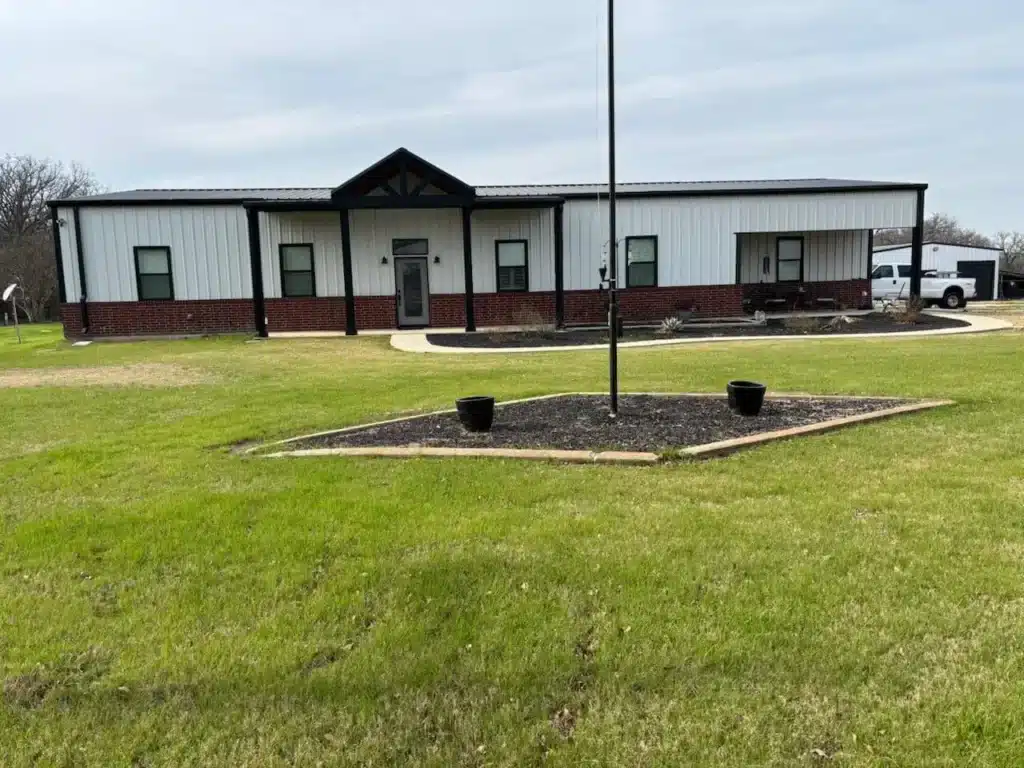
Coordinating Utilities With Site Design
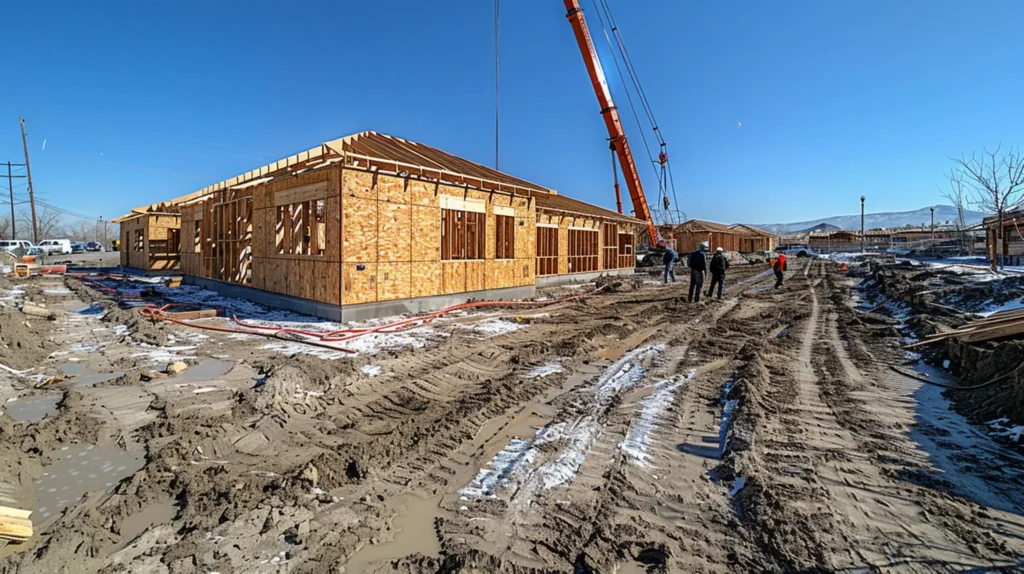
Utility installation is not separate from construction – it is part of the site engineering process.
Proper sequencing typically includes:
- Driveway and culvert installation
- Building pad elevation and compaction
- Septic field placement
- Water well positioning
- Electrical trenching and service drop
- Drainage and runoff planning
Utility conflicts are expensive to fix after construction begins. For example, a septic drain field placed too close to a future shop pad can require full system relocation.
This is why utility planning is integrated into full project design alongside the barndominium floor plan, ensuring the structure aligns with site conditions.
Regional Differences Across Texas
Utility requirements shift significantly depending on location:
- East Texas: Higher water tables, softer soils, easier well access
- Central Texas: Limestone terrain affects septic and drilling depth
- North Texas: Expanding suburban infrastructure but variable utility extension costs
- West Texas: Deep aquifers, long power runs, limited internet infrastructure
- South Texas: Heat load impacts electrical sizing and water demand
Understanding these regional differences is essential when evaluating what makes Texas different for Barndominium builds.
Have a Question About Utilities in Rural Texas?
Utility Cost Reality in Rural Builds
Utility installation is often one of the largest non-structural costs in a barndominium project.
Key cost drivers include:
- Electrical line extension distance
- Well drilling depth and pump requirements
- Septic system type and soil engineering
- Road access and trenching difficulty
- County permitting requirements
These costs vary too widely for fixed pricing, which is why pre-purchase evaluation is critical.
A complete construction plan should always integrate utilities into the broader framework of the complete guide to building a barndo in Texas.
Common Mistakes in Utility Planning
Assuming utilities are “nearby” means affordable
Distance matters more than visibility. A power line across the road can still require expensive easements.
Ignoring soil testing before purchase
Septic feasibility can make or break a buildable lot.
Overlooking internet access
Many rural buyers only discover limitations after closing.
Poor layout sequencing
Utility placement must align with long-term site use, not just the initial home footprint.
Separating land purchase from construction planning
Land and construction must be evaluated together, not independently.
Frequently Asked Question
Do I need to install utilities before I design my barndominium?
Yes, in most rural Texas builds utilities should be evaluated before final design work. Water access, septic feasibility, and electrical distance can all affect layout, placement, and overall construction cost.
What is the biggest hidden utility cost in rural Texas builds?
Electrical service extension is often the most unpredictable cost. If the nearest transformer or power pole is far from the build site, trenching, easements, and upgrades can add significant expense to the project.
Can a barndominium be built completely off-grid in Texas?
It is possible, but most homeowners still rely on a mix of well water, septic systems, propane, and either satellite or wireless internet. True off-grid setups require careful planning and backup systems for reliability.
How do I know if land is suitable for a septic system?
A licensed soil or site evaluator performs a percolation test to determine absorption rates. Clay-heavy or shallow bedrock soils may require engineered systems like aerobic treatment units instead of standard septic setups.
Who coordinates utilities during a barndominium build?
In a turnkey build, the general contractor or builder coordinates all utility work with licensed specialists. This includes well drillers, septic installers, and electrical providers to ensure proper sequencing and compliance.