If you’re weighing a barndominium against a traditional stick-built house, resale value is usually the first worry that comes up. The short answer is yes, barndominiums hold value in Texas, but how well depends on where the home sits, how it was built, and whether the lender doing the eventual appraisal has seen anything like it before. This guide walks through what actually drives resale for Texas barndos, from comps and appraisals to the design choices that protect long-term value.
Barndominium Resale Value in Texas: The Overview
Texas has more barndominiums on the market than almost any other state, and that matters for resale. A property type only holds value predictably once there’s enough sales history for appraisers and lenders to compare against. In much of Texas, especially the Hill Country, North Texas, and the areas surrounding Fort Worth, Waco, and Austin, that history now exists. Buyers in these regions increasingly see a barndo as a normal housing option rather than a novelty, and that shift is what supports pricing.
Statewide data backs this up. Surveys of Texas barndominium listings have found the large majority sell at or above their original list price, and resale outcomes track closely with those of comparable conventional homes in the same market. Construction type alone doesn’t appear to drag value down. What matters more is execution: the build quality, the finish level, and how well the home fits what local buyers expect.
What Actually Determines Whether a Barndo Holds Its Value
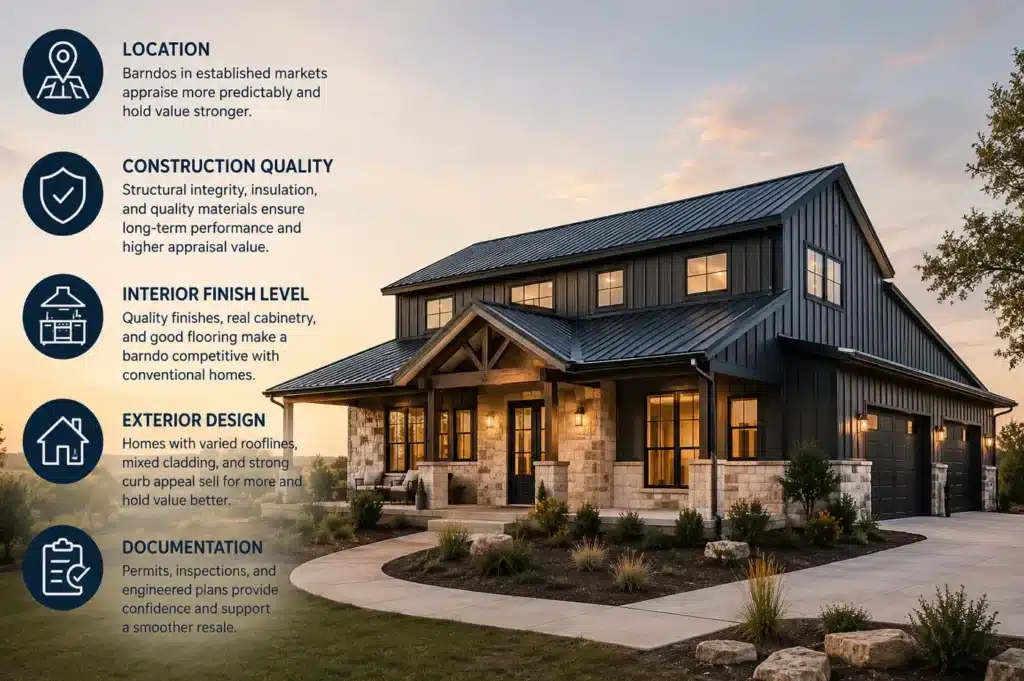
Resale value for any home comes down to comparable sales, condition, and demand. Barndominiums add a few extra variables on top of that. Understanding these helps explain why two barndos with the same square footage can sell for very different prices.
- Location: Barndos in areas with an established barndominium market, like the Hill Country or North Texas, appraise more predictably than one-off builds in areas where nothing similar has sold.
- Construction quality: Structural integrity, insulation, and the quality of materials used directly affect how long the home performs well, which in turn affects what it appraises for years later.
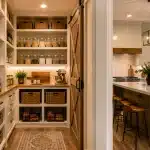
- Interior finish level: A barndo with a builder-grade metal shell and no interior polish will not compete with one that has real cabinetry, quality flooring, and a finished feel throughout.
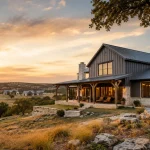
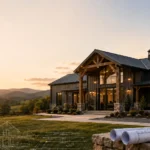
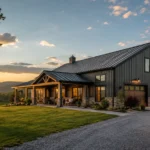
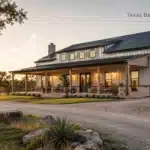
- Exterior design: Homes that read as agricultural sheds tend to underperform. Homes with varied rooflines, mixed cladding, and residential curb appeal sell closer to conventional home pricing.
- Documentation: Permits, inspections, and engineered plans on file give both appraisers and future buyers confidence that the structure meets code, which supports a cleaner resale process.
Buyers researching Texas barndominium floor plans early in the process tend to build homes that photograph well and appraise more predictably, simply because the layout was designed with everyday livability in mind rather than added on piece by piece.
Appraisals: Why Barndominiums Are Harder to Value Than Traditional Homes
The single biggest hurdle for barndominium resale isn’t the home itself, it’s the appraisal process. Appraisers rely on comparable sales, known as “comps,” to determine value. In neighborhoods full of similar three-bedroom brick homes, that’s straightforward. In rural Texas counties with only a handful of barndominium sales, an appraiser may have to look further afield or rely on comps that aren’t a perfect match.
This creates a few predictable outcomes:
- Appraisals can come in lower than expected in areas with limited barndo sales history.
- Homes that look residential, rather than agricultural, generally appraise closer to their true market value.
- Detailed documentation, including engineered drawings and a clear cost breakdown, gives appraisers more to work with and reduces guesswork.
- As more barndominiums sell across the state, the pool of usable comps grows, which is gradually narrowing this gap.
None of this means barndominiums are a poor investment. It means the appraisal step deserves more attention than it would with a conventional home, particularly in counties where barndos are still relatively new.
Financing and Its Effect on Long-Term Value
Financing and resale value are more connected than most buyers expect. A barndominium that’s easy to finance is also easier to resell, because the next buyer will face the same lending questions you did. Texas lenders, including regional banks, credit unions, and Farm Credit associations that specialize in rural properties, have become more comfortable with barndominiums over the past several years, but the process still isn’t identical to a standard mortgage.
A few factors that affect both financing and future resale:
- Homes built to residential code, with proper permitting, qualify for a wider range of loan products, including conventional and USDA options.
- Mixed-use plans that blend a home with a large workshop or barn space can complicate underwriting, since lenders have to separate residential from commercial square footage.
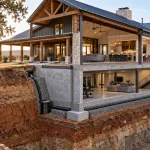
- A well-documented barndominium foundation and engineered structural plans give lenders (and future buyers’ lenders) confidence the home meets standard building requirements.
- Working with an experienced barndominium builder in Texas from the start typically means the paperwork lenders need is already in place, which speeds up both your financing and the next owner’s.
Would you like to speak to qualified barndo builder in Texas?
Regional Differences Across Texas
Resale performance for barndominiums isn’t uniform statewide. Texas is large enough that local market conditions matter as much as the home itself.
- Hill Country and North Texas: These regions have the deepest barndominium sales history in the state, which generally means smoother appraisals and stronger comparable pricing against conventional homes.
- East Texas: Rural acreage and a strong agricultural culture make barndos a familiar sight, and demand for rural lifestyle properties has kept resale activity steady. Buyers exploring East Texas barndominium builders often find land and construction costs more favorable here than in faster-growing metro-adjacent counties.
- South Texas: A newer but growing barndo market, where resale comps are still building. Working with South Texas barndo builders who understand local wind load and soil requirements helps avoid design choices that could complicate a future appraisal.
- Central Texas metro-adjacent counties (Waco, Georgetown, San Marcos): Population growth in these areas has pulled more buyers toward rural and semi-rural housing, which has generally supported stronger barndo resale numbers. A barndominium builder in Waco, Texas familiar with local county requirements can help a build stay aligned with what’s selling well in that corridor.
Common Mistakes That Hurt Resale Value
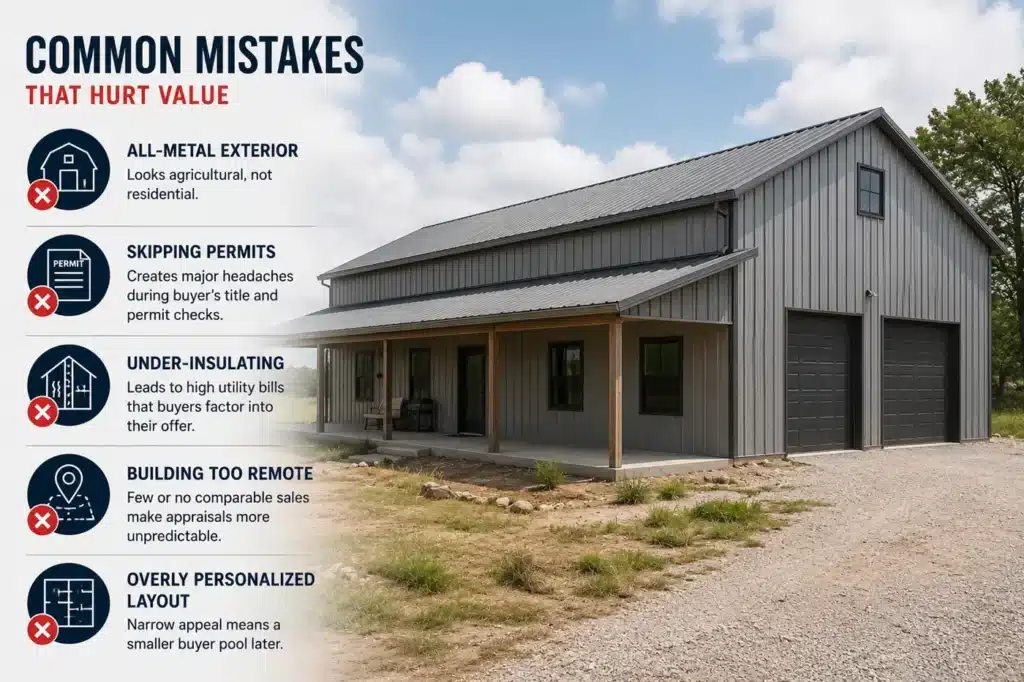
Some design and construction decisions consistently show up in barndominiums that underperform on resale. Avoiding these upfront is far easier than correcting them later.
- Choosing an all-metal exterior with no architectural detailing, which reads as agricultural rather than residential.
- Skipping permits or inspections to save time, which creates problems when a future buyer’s lender orders a title and permit history check.
- Under-insulating the structure to cut upfront Texas barndominium cost, which shows up later as high utility bills that buyers factor into their offer.
- Building far from any comparable barndo sales, which makes future appraisals more unpredictable regardless of build quality.
- Designing a highly personalized layout that doesn’t suit typical family needs, which narrows the buyer pool at resale time.
How to Build a Barndominium With Resale in Mind
You don’t have to build for the average buyer, but a few decisions during planning make a real difference in how a barndo performs later.
- Prioritize a residential exterior look with varied rooflines, windows, and quality cladding over a purely utilitarian metal shell.
- Keep detailed records of permits, inspections, and engineered plans from day one.
- Choose a floor plan that functions for a typical family rather than one built entirely around a single, highly specific use case.
- Work with a custom home builder in Texas who understands both residential code requirements and the specific standards lenders and appraisers look for in a barndominium.
- Plan reliable rural Texas utilities, including septic, well, and power, since unresolved utility questions are a common reason rural sales stall.
Conclusion
Barndominiums in Texas generally do hold their value, and in areas with an established barndo market, they can perform on par with conventional homes. The variables that matter most are location, build quality, documentation, and how residential the finished home looks and lives.
Appraisals and financing remain more involved than with a standard house, but that gap is narrowing as more Texas barndominiums sell and more lenders build experience with the property type. Buyers who plan for resale from the start, rather than treating it as an afterthought, tend to see the strongest outcomes down the line.
Frequently Asked Question
Do barndominiums appreciate in value in Texas?
Yes, well-built barndominiums in established Texas markets have generally appreciated at rates similar to conventional homes in the same area. Appreciation depends heavily on location, construction quality, and how residential the home looks compared to a converted agricultural building.
Are barndominiums harder to sell than traditional homes in Texas?
Barndominiums can take a bit longer to sell in areas with limited comparable sales, since some buyers and lenders are still unfamiliar with the property type. In regions with an active barndo market, they tend to sell on a similar timeline to conventional homes.
Why are barndominium appraisals sometimes lower than expected?
Appraisers rely on comparable sales to set value, and in areas with few barndominium transactions, they may struggle to find close matches. This can lead to a conservative appraisal, especially for homes with an agricultural rather than residential exterior.
Can you get a conventional mortgage for a barndominium in Texas?
Yes, conventional, USDA, and specialty rural loans are all used to finance barndominiums in Texas. The process typically requires more documentation, including engineered plans and a detailed cost breakdown, than a standard home loan.
What increases a barndominium’s resale value the most?
A residential exterior design, quality interior finishes, complete permitting and inspection records, and a location with existing barndo sales activity all support stronger resale value. Homes that look and function like a standard house tend to appraise closer to conventional pricing.