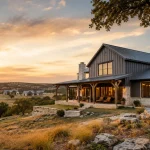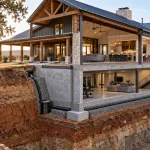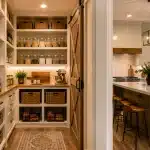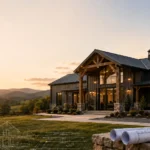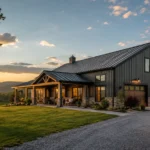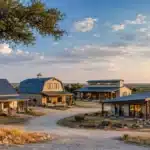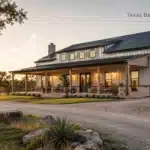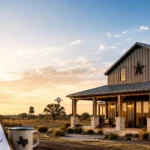

Building a barndominium in South Texas requires a different approach than building in most other parts of Texas. The region’s climate is harder on structures, mechanical systems, roofing materials, and insulation assemblies than many buyers initially expect.
Long periods of extreme heat, high humidity, hurricane-season storms, coastal moisture exposure, and intense UV radiation all affect how a barndominium should be designed and engineered. If those conditions are not accounted for early, problems usually appear later through high cooling costs, condensation issues, uncomfortable interiors, premature material failure, or moisture intrusion.
This guide explains what actually matters when planning and building a South Texas barndominium, from insulation systems and roofing choices to HVAC planning, moisture control, and material performance in high-heat environments.
Understanding South Texas Building Conditions
South Texas includes regions like Corpus Christi, McAllen, Brownsville, Laredo, Victoria, and surrounding rural counties. While the landscapes vary, the environmental demands across the region remain fairly consistent.
The Three Major Factors That Drive Design
- Extreme summer heat
- High humidity and moisture exposure
- Strong storms and coastal weather patterns
These are not secondary concerns. They directly affect:
- Structural engineering
- Insulation systems
- HVAC sizing
- Roof performance
- Material lifespan
- Foundation drainage planning
Many buyers focus heavily on floor plans or exterior appearance early in the process, but long-term performance in South Texas depends far more on how the building envelope is engineered.
If you are still researching the overall process, it helps to first review the complete process of building a barndominium in Texas to understand how regional conditions affect design decisions from the beginning.
Why Heat and Humidity Change Everything
South Texas barndominiums are cooling-dominated structures. Unlike colder climates where homes are designed primarily to retain heat, South Texas homes must continuously resist exterior heat intrusion for most of the year.
That changes how every system inside the structure should be designed.
The Real Impact of South Texas Heat
In many parts of South Texas, summer temperatures regularly exceed 100°F, with roof surface temperatures climbing much higher under direct sun exposure.
Without proper thermal protection, this leads to:
- High utility bills
- Uneven room temperatures
- Excess HVAC strain
- Poor humidity control
- Reduced indoor comfort
Metal structures especially require careful thermal planning because steel transfers heat rapidly if insulation systems are not designed correctly.
Humidity Creates Additional Challenges
Humidity changes how buildings behave.
Warm, moisture-heavy air interacting with cooled interior surfaces can create condensation inside walls, ceilings, and roof assemblies if the building is not properly insulated and sealed.
This is one of the most common issues seen in poorly designed metal barndominiums in South Texas.
Problems caused by poor moisture control include:
- Mold growth
- Insulation degradation
- Interior moisture damage
- Roof sweating
- Corrosion around framing components
Experienced South Texas barndominium builders typically design the insulation, ventilation, and HVAC systems together rather than treating them as separate decisions.
Designing for Energy Efficiency From Day One
Energy efficiency in South Texas is not simply about reducing electric bills. It directly affects:
- Interior comfort
- HVAC lifespan
- Moisture control
- Long-term maintenance
- Overall building performance
The best-performing barndominiums are designed around energy efficiency from the very beginning rather than upgraded later.
Building Orientation Matters
The position of the structure on the land has a major effect on heat gain.
In South Texas, western sun exposure is often the biggest issue because afternoon sunlight creates intense heat loads on walls and windows.
Good orientation strategies often include:
- Limiting west-facing glass
- Positioning porches for shade
- Using roof overhangs strategically
- Designing for natural airflow
- Reducing direct solar exposure on living areas
This becomes especially important on open rural acreage where tree coverage may be limited.
Proper land evaluation is one reason many buyers research how to choose land for a Texas barndominium before finalising a property purchase.
Overhangs and Covered Outdoor Areas
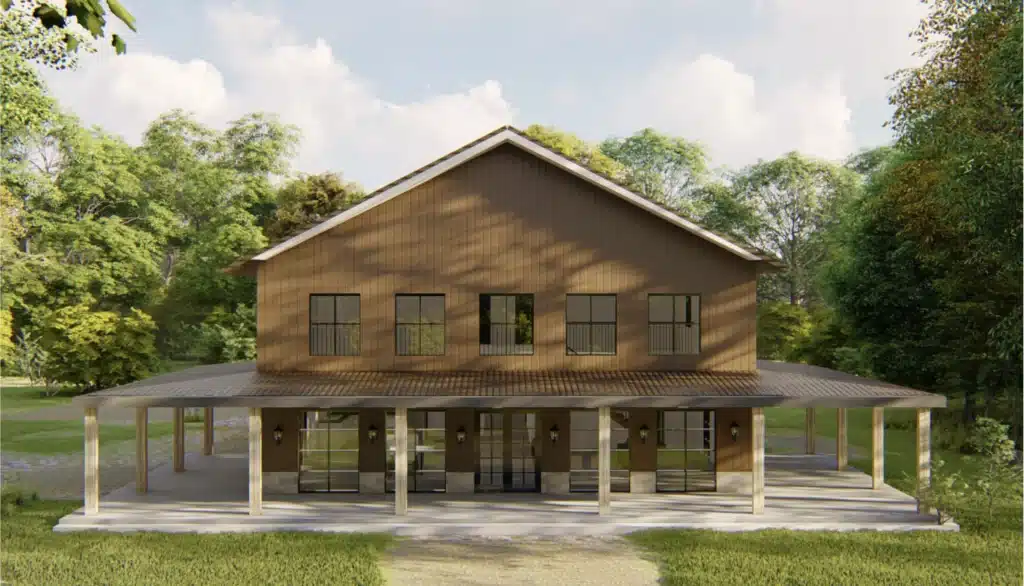
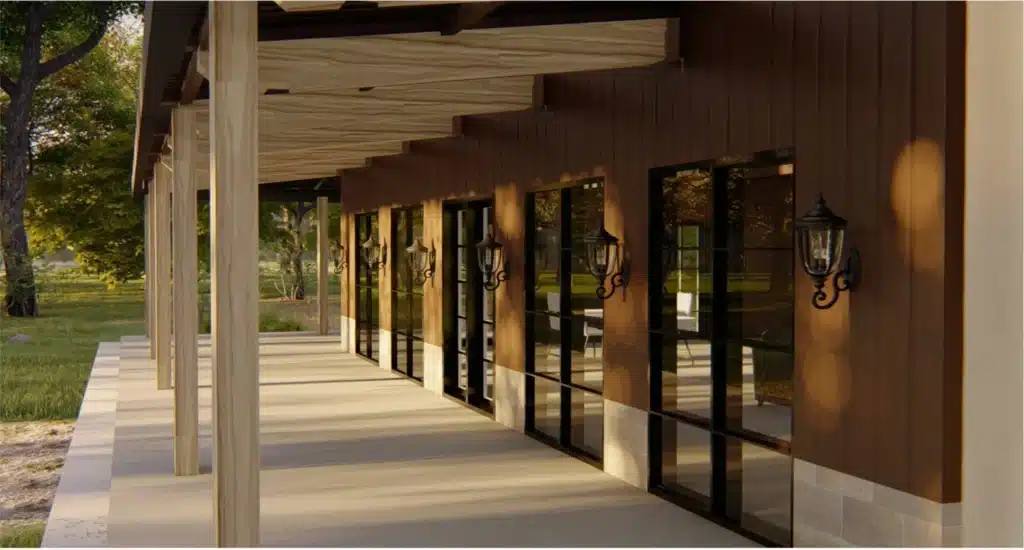
Covered porches are not only aesthetic features in South Texas. They serve an important functional purpose.
Extended overhangs help:
- Reduce direct sun exposure
- Protect siding materials
- Improve window performance
- Lower cooling loads
- Protect entrances during storms
Well-designed exterior shading can significantly reduce heat transfer into the structure.
Want To Speak To a Certified Barndominium Builder in South Texas?
Insulation Systems for South Texas Barndominiums
Insulation is one of the most important components in any South Texas barndominium build.
Poor insulation design almost always leads to:
- Excessive cooling costs
- Hot spots throughout the home
- Interior humidity problems
- Condensation issues
Why Spray Foam Is Common in South Texas
Closed-cell spray foam insulation is widely used because it provides:
- High R-value performance
- Air sealing
- Moisture resistance
- Reduced thermal bridging
- Better condensation control
This is especially important in metal buildings where steel framing can rapidly transfer heat into the structure.
Spray foam also helps stabilise indoor temperatures during extreme summer conditions.
Traditional Fibreglass Insulation Limitations
Fibreglass insulation can work in certain assemblies, but it often underperforms in humid South Texas conditions when used alone.
Common problems include:
- Air leakage
- Reduced efficiency from moisture exposure
- Inconsistent thermal performance
- Condensation risk in metal structures
Working with a metal barndominium construction company in Texas that understands moisture control and thermal management is critical in hot-climate builds.
Roofing Systems and Solar Heat Gain
The roof absorbs the largest amount of solar radiation on most South Texas homes.
Because barndominiums often feature large roof spans, roofing material selection becomes especially important.
Roofing Materials That Perform Better in South Texas
Common high-performance options include:
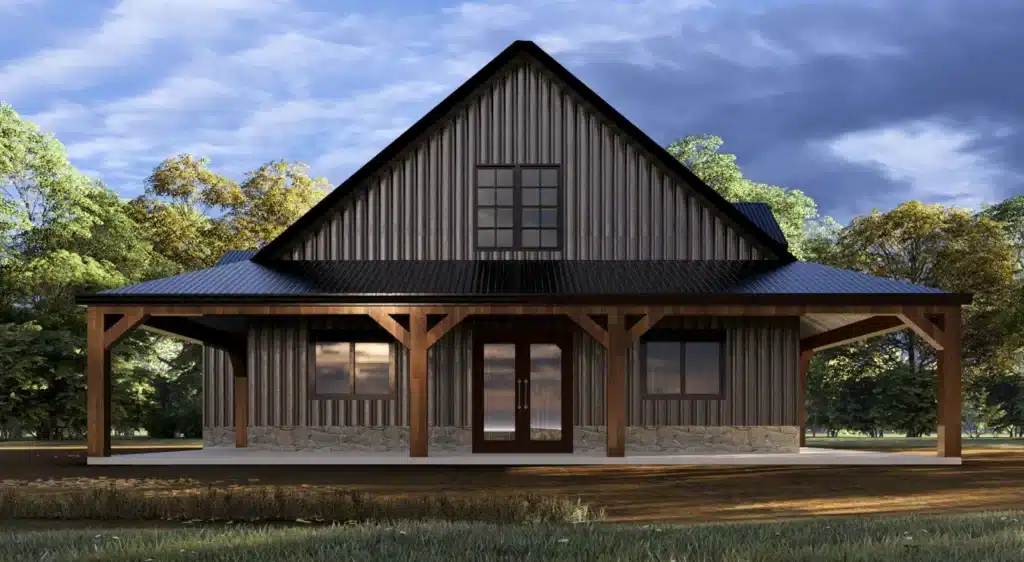
Standing Seam Metal Roofs
- Excellent durability
- Fewer exposed fasteners
- Lower leak risk over time
- Better long-term weather resistance
Reflective Roofing Systems
- Reduce solar heat absorption
- Lower attic temperatures
- Improve cooling efficiency
Light-Coloured Roof Finishes
- Reflect more sunlight
- Reduce overall heat gain
- Improve HVAC performance
Dark roofing colours often increase attic temperatures substantially during South Texas summers.
Roof Ventilation Is Essential
Even the best roofing materials will struggle without proper ventilation.
A poorly ventilated attic can trap extreme heat and moisture, forcing HVAC systems to work harder.
Important ventilation components include:
- Ridge vents
- Soffit ventilation
- Ventilated roof assemblies
- Conditioned attic systems where appropriate
These systems help reduce heat buildup and improve long-term roof performance.
HVAC Design for Large Open-Concept Barndominiums
HVAC design is frequently underestimated in barndominium construction.
Large open spaces, high ceilings, and metal structures require careful airflow and cooling planning.
Common HVAC Mistakes
Oversized HVAC systems can:
- Short cycle
- Leave humidity levels too high
- Reduce comfort
- Increase energy waste
Undersized systems struggle to maintain consistent temperatures during peak summer heat.
Proper HVAC Planning Includes
- Manual load calculations
- Zoned cooling systems
- Balanced return air design
- Humidity management
- Proper duct insulation
- Airflow planning for high ceilings
Ceiling fans and air circulation strategies also play an important role in maintaining comfort inside large open-concept spaces.
Experienced barndominium contractors in Texas generally coordinate HVAC planning early in the design phase instead of treating it as a late-stage installation item.
Moisture Control and Condensation Prevention
Condensation is one of the biggest long-term risks in South Texas metal barndominiums.
When humid exterior air meets cooled metal surfaces, moisture forms quickly if thermal barriers are not properly installed.
What Causes Condensation Problems?
- Poor insulation assemblies
- Air leakage
- Incorrect vapour barrier placement
- Inadequate ventilation
- Unconditioned interior spaces
Why This Matters
Unchecked condensation can lead to:
- Mold growth
- Rust and corrosion
- Interior finish damage
- Reduced insulation performance
- Indoor air quality issues
Moisture management must be planned during engineering and framing, not after construction is complete.
This is one reason experienced turnkey barndominium builders in Texas place significant emphasis on insulation detailing and climate-specific design.
Material Choices That Perform Well in South Texas
Material performance matters far more in South Texas than in milder climates.
Constant UV exposure, heat, humidity, and severe weather quickly expose lower-quality products.
Steel Siding and Exterior Metal Systems
Steel remains one of the most durable options for South Texas barndominiums because it offers:
- Long lifespan
- Pest resistance
- Fire resistance
- Low maintenance
- Strong storm durability
However, panel quality and coatings matter significantly.
Lower-grade systems may:
- Fade quickly
- Chalk under UV exposure
- Corrode prematurely
- Warp under thermal stress
Engineered Exterior Combinations
Many South Texas projects combine:
- Metal siding
- Stone
- Stucco
- Engineered wood accents
Hybrid exteriors can improve curb appeal while maintaining durability, but all materials must be selected for heat and humidity resistance.
Working with a custom home builder in Texas who understands long-term material performance can help avoid expensive maintenance problems later.
Have More Specific Questions About Building a Barndo?
Coastal Considerations and Corrosion Resistance
Properties closer to the Gulf Coast face additional environmental stress.
Salt-heavy air accelerates corrosion on exposed metals, fasteners, and lower-grade coatings.
Coastal Builds Often Require
- Galvanised or upgraded fasteners
- Enhanced paint systems
- Corrosion-resistant coatings
- Additional moisture protection
- Higher wind engineering standards
These requirements become increasingly important near Corpus Christi, Port Aransas, and surrounding coastal areas.
Storm exposure also affects structural engineering requirements in many South Texas counties.
Site Planning, Drainage, and Flood Risks
Water management is critical in South Texas construction.
Even in dry periods, sudden heavy rainfall events can create major drainage problems if the site is not planned correctly.
Proper Drainage Planning Includes
- Positive grading away from the structure
- Swales and drainage channels
- Gutters and downspouts
- Foundation water management
- Elevation planning
Poor drainage can affect both foundations and long-term soil stability.
Floodplain Considerations
Some South Texas properties fall within mapped flood-prone areas.
Before purchasing land, buyers should evaluate:
- FEMA flood zones
- Drainage history
- Elevation data
- Water runoff behaviour
Reviewing Texas flood zone considerations for barndominiums early in the process can prevent major surprises during permitting and site preparation.
Rural vs City Builds in South Texas
Where you build affects permitting, infrastructure, utilities, and project complexity.
Building in Rural South Texas
- More flexibility in structure type
- Septic systems often required
- Well water may be necessary
- Longer utility runs
- More site preparation work
Building Near Cities
- Additional permitting requirements
- Possible zoning restrictions
- HOA limitations in some areas
- Easier utility access
- More inspections
Properties located near city boundaries may also fall inside ETJ jurisdictions.
Understanding how ETJ regulations affect Texas barndominium projects is important before purchasing land in developing areas around South Texas cities.
Designing the Right Barndominium for South Texas
The best South Texas barndominiums are designed specifically for the climate rather than relying on generic plans.
Floor Plan Considerations
- Large covered outdoor areas
- Split-bedroom layouts
- Functional mudrooms
- Utility-focused storage spaces
- Open-concept living with controlled airflow
Roof and Exterior Design
- Extended overhangs
- Ventilated roof systems
- Weather-protected entrances
- Shaded outdoor living areas
Interior Comfort Planning
- Zoned HVAC systems
- Spray foam insulation
- Moisture-resistant materials
- Proper airflow design
Reviewing Texas barndominium floor plan designs early helps align the layout with South Texas climate demands and long-term usability.
Why Turnkey Construction Matters
South Texas barndominium projects involve multiple interconnected systems:
- Engineering
- Site work
- Concrete
- Structural framing
- HVAC
- Insulation
- Interior construction
Managing these separately often creates coordination problems and delays.
A properly managed turnkey process helps align:
- Structural engineering
- Moisture control systems
- Material selection
- Scheduling
- Permitting
- Quality control
Working with a turnkey barndominium builders can simplify the process significantly, especially on rural or undeveloped land.
If you are evaluating land or planning a future project, speaking with a South Texas barndominium expert early can help identify potential challenges before construction begins.
Financing and Planning Considerations
Barndominium financing in South Texas often differs from traditional residential construction financing.
Lenders may require:
- Engineered plans
- Detailed construction budgets
- Appraisals using comparable builds
- Construction-to-permanent loan structures
Projects on rural acreage may also involve:
- Septic approvals
- Utility planning
- Site development costs
- Additional land preparation
Early planning helps avoid delays during the financing and permitting stages.
Final Thoughts: Build for South Texas Conditions
South Texas can be an excellent place to build a barndominium, but the climate demands careful planning and proper engineering.
The biggest long-term problems usually come from overlooking:
- Heat management
- Moisture control
- Ventilation
- Drainage
- Roofing performance
- Material durability
A properly designed South Texas barndominium should feel:
- Comfortable during extreme summer heat
- Efficient to cool
- Resistant to moisture problems
- Durable during severe weather
- Low maintenance over the long term
If you are planning a build, getting guidance early, especially before purchasing land or finalising plans, can prevent expensive design changes later and help ensure the structure is engineered correctly for South Texas conditions.
Frequently Asked Question
Are barndominiums good for South Texas heat?
Yes, when properly designed. The key is using the correct insulation systems, reflective roofing materials, ventilation strategies, and HVAC planning. Poorly insulated metal structures can struggle in South Texas heat, but properly engineered builds perform very well.
What insulation works best for South Texas barndominiums?
Closed-cell spray foam insulation is commonly used because it provides strong thermal performance, air sealing, and moisture resistance. It also helps reduce condensation problems common in metal structures.
Do barndominiums work well near the Texas coast?
They can perform very well, but coastal projects require additional attention to corrosion resistance, wind engineering, and moisture protection. Material quality and coating systems become especially important near saltwater environments.
How do you reduce cooling costs in a South Texas barndominium?
Energy efficiency starts with proper orientation, insulation, reflective roofing systems, shaded outdoor areas, high-performance windows, and correctly sized HVAC systems. These components work together to reduce heat gain and cooling demand.
When should I involve a builder in the process?
Ideally before purchasing land. Early involvement helps evaluate drainage, flood risks, utilities, soil conditions, permitting requirements, and overall project feasibility before major decisions are made.