Building a barndominium in Texas can be an excellent investment, but the process is often more complex than many buyers expect. From selecting the wrong piece of land to underestimating site development costs, small mistakes made early can lead to expensive delays, design compromises, and budget overruns later.
Texas presents unique challenges including varying county regulations, expansive soil conditions, flood-prone areas, and regional wind requirements. Understanding the most common mistakes before construction begins can help you avoid costly setbacks and create a smoother, more successful barndominium project.
Why Texas Barndominium Projects Fail More Often Than Buyers Expect
Most Texas barndominium problems do not start during construction. They begin months earlier during planning, land acquisition, budgeting, and design.
Many buyers spend significant time researching floor plans and finishes but overlook the technical and regulatory factors that determine whether a project progresses smoothly. Texas is a large and diverse state. Building requirements in Dallas differ from rural East Texas. Soil conditions in Central Texas differ significantly from those found in coastal counties.
The most successful projects are usually the ones where potential issues are identified before breaking ground.
Below are the most common mistakes experienced by Texas barndominium buyers and practical ways to avoid them.
TL;DR: Common Texas Barndominium Build Mistakes
- Buying land before verifying it can be built on.
- Underestimating site preparation costs.
- Choosing a floor plan before understanding the property.
- Ignoring county and local regulations.
- Failing to budget for utilities.
- Choosing the lowest bid instead of the best value.
- Overlooking engineering requirements.
- Building in a flood-prone area without proper planning.
- Not planning for future needs.
- Hiring multiple contractors without clear coordination.
- Focusing only on the house instead of the entire property.
- Skipping inspections during construction.
Mistake #1: Buying Land Before Verifying It Can Be Built On
This is one of the most expensive mistakes a future barndominium owner can make.
Many buyers find affordable acreage and purchase it quickly without confirming whether the property is suitable for construction.
Potential issues include:
- Lack of legal access
- Easement restrictions
- Floodplain designation
- Poor soil conditions
- Utility availability
- Deed restrictions
- County development requirements
A property may appear ideal on paper but require tens of thousands of dollars in unexpected site work before construction can even begin.
How to Avoid It
Before purchasing land, conduct a thorough site evaluation.
Key factors to investigate include:
- Access roads
- Drainage patterns
- Utility proximity
- Septic feasibility
- Soil composition
- Building setbacks
- Flood risk
Professional site evaluations often reveal issues that are not visible during a simple property visit.
Learn more about choosing suitable Texas land for a barndominium before purchasing acreage.
Mistake #2: Underestimating Site Preparation Costs
Many buyers focus entirely on the building price while overlooking site development expenses.
In reality, site preparation can represent a substantial portion of the total project budget.
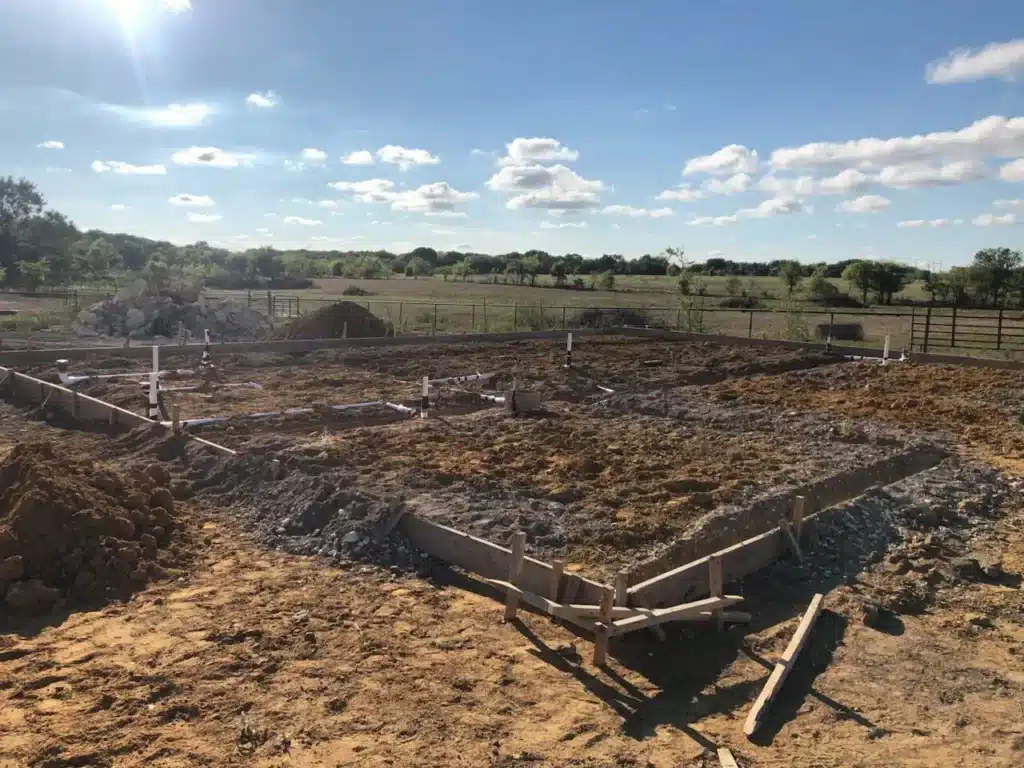
Common site costs include:
- Land clearing
- Tree removal
- Grading
- Driveway installation
- Culverts
- Utility trenching
- Septic systems
- Water wells
- Soil stabilization
These costs vary dramatically across Texas.
For example:
- Rocky areas of Central Texas may require excavation.
- East Texas properties often require extensive clearing.
- West Texas sites may require longer utility runs.
- Coastal areas may require additional drainage work.
How to Avoid It
Request detailed site assessments early in the planning process.
Experienced builders can help estimate realistic development costs before finalizing budgets.
This is one reason many buyers work with a Texas turnkey barndominium builder that evaluates the entire project rather than only the structure itself.
Mistake #3: Designing a Floor Plan That Doesn’t Fit the Property
Many buyers select floor plans before fully understanding their building site.
A design that works perfectly on one property may create major challenges on another.
Examples include:
- Poor orientation to sunlight
- Drainage conflicts
- Excessive driveway lengths
- Difficult utility routing
- Inefficient views
- Future expansion limitations
Texas properties vary significantly in shape, terrain, and accessibility.
How to Avoid It
Allow the property characteristics to influence the floor plan.
Factors to consider include:
- Building orientation
- Prevailing winds
- Sun exposure
- Slope conditions
- Utility locations
- Future additions
Customizing layouts based on site conditions often improves functionality and reduces construction costs.
Buyers reviewing Texas barndominium floor plan options should evaluate how each design fits their specific property rather than selecting based solely on square footage.
Want to talk to a barndominium expert in Texas?
Mistake #4: Ignoring County and Local Regulations
One of the biggest misconceptions is that barndominiums can be built anywhere without restrictions.
Texas counties have varying requirements regarding:
- Permits
- Septic approvals
- Access standards
- Floodplain regulations
- Utility requirements
- Addressing systems
Cities often have additional zoning and development rules.
Requirements in Austin-area jurisdictions can differ significantly from those found in rural counties.
How to Avoid It
Research local requirements before finalizing land purchases or building plans.
Understanding Texas county and city barndominium requirements can help prevent costly redesigns and permit delays.
Experienced builders familiar with local jurisdictions can often identify potential issues long before permit submission.
Mistake #5: Failing to Budget for Utilities
Utilities are among the most commonly overlooked costs in rural Texas construction.
Buyers frequently underestimate the expense of bringing services to remote properties.
Potential costs include:
- Electrical service extensions
- Water wells
- Septic systems
- Propane systems
- Internet infrastructure
- Generator systems
The farther the building site is from existing infrastructure, the higher these costs can become.
How to Avoid It
Obtain utility estimates before finalizing your budget.
Utility planning should occur during land evaluation rather than after construction begins.
Property owners should review planning utilities for rural Texas properties before purchasing undeveloped acreage.
Mistake #6: Choosing the Lowest Bid Instead of the Best Value
Price shopping is understandable, but selecting the lowest estimate often creates problems later.
Low bids may exclude:
- Engineering
- Permitting
- Site work
- Concrete upgrades
- Utility connections
- Interior finishes
Some buyers discover substantial additional costs after construction begins.
How to Avoid It
Compare proposals carefully.
Review:
- Scope of work
- Included services
- Material specifications
- Engineering standards
- Warranty coverage
- Project management processes
A qualified Texas barndominium contractor should provide transparent pricing and clearly define what is included.
Mistake #7: Overlooking Engineering Requirements
Texas experiences a wide range of environmental conditions.
Depending on location, structures may need to withstand:
- High winds
- Expansive clay soils
- Heavy rainfall
- Extreme heat
- Occasional snow and ice
Engineering requirements vary significantly across regions.
For example:
- Gulf Coast projects often require higher wind resistance.
- North Texas projects may face different structural considerations.
- Central Texas frequently encounters expansive soil movement.
How to Avoid It
Ensure the structure is professionally engineered for its specific location.
Understanding Texas wind load engineering for barndominiums is especially important in areas subject to severe weather.
Working with an experienced Texas metal barndominium construction company helps ensure structural systems are designed appropriately.
Need to discuss engineering requirements for a barndomininum?
Mistake #8: Building in a Flood-Prone Area Without Proper Planning
Flooding is a major concern throughout many parts of Texas.
Some buyers discover floodplain issues after purchasing property.
Building in or near a flood zone can increase:
- Construction costs
- Insurance premiums: Learn more about barndominium insurance practices in Texas.
- Engineering requirements
- Drainage obligations
How to Avoid It
Verify floodplain status before purchasing land.
Review FEMA flood maps and consult local authorities when necessary.
Buyers should understand Texas flood zone considerations for barndominiums before committing to a property.
Mistake #9: Not Planning for Future Needs
Many buyers design solely around current requirements.
Years later they may wish they had included:
- Additional bedrooms
- Larger garages
- Workshops
- Home offices
- RV storage
- Guest accommodations
Expanding after construction is often more expensive than planning ahead.
How to Avoid It
Consider both current and future lifestyle needs.
Think about:
- Family growth
- Aging in place
- Business use
- Hobby spaces
- Vehicle storage
A flexible design can extend the usefulness of the home for decades.
Mistake #10: Hiring Multiple Contractors Without Clear Coordination
Some buyers attempt to manage separate contractors for:
- Design
- Engineering
- Site work
- Concrete
- Framing
- Utilities
- Interior finishes
While this can work, coordination problems often create delays and disputes.
How to Avoid It
Use a clearly defined project management structure.
Many homeowners prefer working with a single team that manages design, engineering, permitting, and construction under one contract.
This approach is common among buyers seeking full-service barndominium construction across Texas.
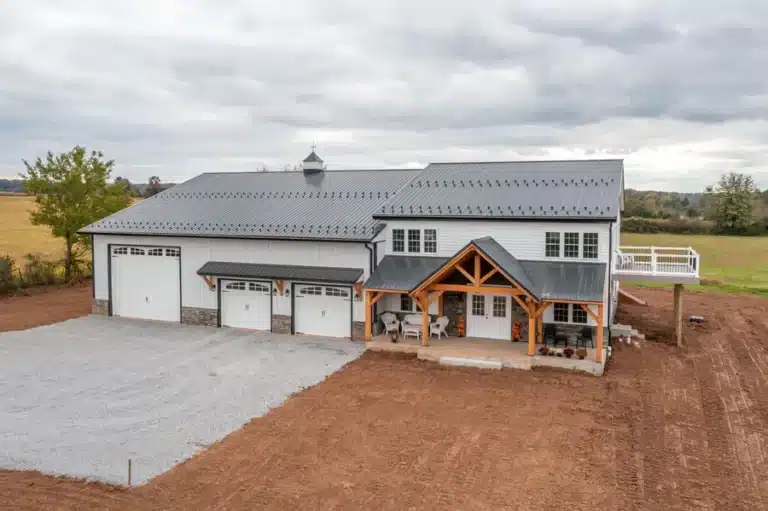
Mistake #11: Focusing Only on the House and Ignoring the Entire Property
A barndominium project involves more than the building itself.
Many buyers fail to plan for:
- Driveways
- Drainage systems
- Landscaping
- Equipment access
- Future outbuildings
- Fencing
- Livestock infrastructure
These elements can significantly impact long-term property functionality.
How to Avoid It
Develop a complete site plan before construction begins.
This is particularly important for rural properties throughout East Texas, West Texas, and Central Texas where larger acreage often supports multiple uses.
Buyers exploring projects with barndominium builders in Central Texas or turnkey barndominiums in Austin often benefit from comprehensive property planning before finalizing construction documents.
Mistake #12: Skipping Independent Inspections During Construction
Even when working with reputable contractors, inspections remain important.
Inspections can identify issues before they become expensive corrections.
Common inspection stages include:
- Foundation inspections
- Framing inspections
- Mechanical inspections
- Electrical inspections
- Plumbing inspections
- Final inspections
How to Avoid It
Understand the inspection process before construction begins.
Homeowners should familiarize themselves with additional inspections performed during Texas barndominium construction to ensure quality throughout the build.
Regional Considerations Across Texas
Texas is not a one-size-fits-all construction environment.
Different regions present unique challenges.
East Texas
- Heavy vegetation
- High rainfall
- Drainage concerns
- Clearing costs
North Texas
- Expansive clay soils
- Hail exposure
- Variable weather patterns
Central Texas
- Rocky terrain
- Limestone excavation
- Significant elevation changes
West Texas
- Remote utilities
- High wind exposure
- Long-distance service connections
South Texas
- Heat management
- Moisture concerns
- Coastal weather influences
Understanding what makes building a barndominium in Texas unique can help buyers make more informed decisions throughout the planning process.
Have a region-specific question about your barndo plan?
The Value of Early Planning
Most costly mistakes occur before construction starts.
Successful projects generally involve:
- Thorough land evaluation
- Realistic budgeting
- Professional engineering
- Utility planning
- Local code research
- Long-term property planning
The earlier these issues are addressed, the smoother the construction process typically becomes.
Conclusion
Building a barndominium in Texas can be a rewarding experience, but avoiding common mistakes requires careful planning and local knowledge. Land suitability, site preparation, engineering requirements, utility access, flood risks, and county regulations all play major roles in project success.
The most successful barndominium owners approach the process with a complete understanding of both the home and the property itself. By identifying potential challenges early and working with experienced professionals, buyers can reduce surprises, control costs, and create a barndominium that performs well for decades in Texas conditions.
Frequently Asked Question
How much do site preparation costs add to a Texas barndominium project?
Site development costs vary significantly based on location, terrain, utilities, soil conditions, and drainage requirements. Rural properties often require additional investment for wells, septic systems, driveways, and utility extensions.
Are barndominiums allowed in all Texas counties?
Most Texas counties allow barndominiums, but local regulations, permitting requirements, deed restrictions, and development standards can vary significantly. Always verify local requirements before purchasing land.
Do barndominiums require engineered plans in Texas?
Yes. Structural engineering is typically required to meet building code requirements, wind load standards, foundation design criteria, and local permitting requirements.
Is flood risk a concern for Texas barndominium projects?
Yes. Many Texas regions contain flood-prone areas. Floodplain status should always be verified before purchasing land or beginning design work.
What is the biggest mistake people make when building a Texas barndominium?
Purchasing land without proper due diligence is often the most costly mistake. Issues involving utilities, access, drainage, soil conditions, and restrictions can significantly impact construction costs and project feasibility.