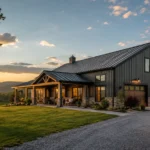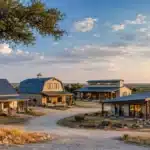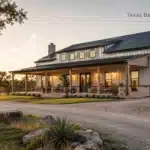
Building a barndominium in Texas involves far more than pouring concrete and erecting a steel frame. Every phase of construction must pass inspections that verify the structure meets local building codes, engineering standards, and safety requirements. The inspection process can vary significantly between counties, cities, and rural jurisdictions across Texas, which is why understanding what inspectors look for (and when) matters before construction begins.
Why Inspections Matter for Texas Barndominiums
Inspections protect homeowners, lenders, and future property value. They confirm the structure was built according to approved plans, engineering specifications, and local code requirements. A failed inspection can delay construction, increase costs, and create problems during refinancing, insurance underwriting, or resale.
For barndominiums specifically, inspections are especially important because these homes combine residential living spaces with metal building systems that must satisfy both structural and residential code requirements.
Texas jurisdictions may inspect for:
- Structural integrity
- Foundation compliance
- Wind and snow load engineering
- Electrical safety
- Plumbing systems
- HVAC installation
- Energy code compliance
- Fire safety requirements
- Septic systems
- Drainage and site preparation
The exact process depends heavily on where the home is being built. Rural counties may have minimal oversight, while cities and ETJ areas can require multiple stages of review. Understanding what an ETJ means in Texas construction is important because many homeowners assume county rules apply when the property actually falls under city jurisdiction.
Who Performs Barndominium Inspections in Texas?
In Texas, inspections are typically handled by one of the following:
- City building departments
- County-authorized inspectors
- Third-party inspection agencies
- State-approved septic inspectors
- Electrical cooperatives
- Lender-required inspectors
Some rural counties in Texas have very limited building code enforcement. Others adopt International Residential Code (IRC) standards with local amendments. This is one reason experienced builders familiar with building barndominiums across Texas counties and cities are valuable – inspection expectations can change dramatically between locations.
For example:
- Urban counties often require full permitting and multiple inspections
- Rural counties may only inspect septic and electrical systems
- Windstorm-designated coastal areas require additional engineering inspections
- Flood-prone regions may require elevation verification
The Typical Texas Barndominium Inspection Timeline
While every jurisdiction differs slightly, most Texas barndominium projects follow a similar inspection schedule.
1. Pre-Construction and Permit Review
Before construction starts, plans are reviewed for compliance with local regulations.
Inspectors or plan reviewers typically verify:
- Structural engineering
- Foundation design
- Wind load calculations
- Site setbacks
- Drainage plans
- Septic approval
- Energy code requirements
- Utility access
- Floodplain restrictions
This stage often creates delays when buyers purchase land without understanding local development requirements. Proper land evaluation and site planning assistance can prevent issues before plans are submitted.
2. Site Preparation Inspection
Before concrete is poured, inspectors may review:
- Site grading
- Drainage direction
- Erosion control
- Building pad elevation
- Soil preparation
- Excavation depth
- Utility trenching
In many parts of Texas, expansive clay soils create major foundation concerns. Areas across North Texas and Central Texas are especially known for movement-prone soils that require engineered slab designs.
Improper drainage is one of the most common long-term problems inspectors identify during site inspections.
Foundation Inspection
The foundation inspection is one of the most important stages of the entire build.
What Inspectors Check
Inspectors typically review:
- Footing depth and width
- Rebar placement
- Post anchor systems
- Moisture barriers
- Plumbing rough-ins below slab
- Reinforcement schedules
- Beam layouts
- Engineered specifications
- Soil bearing conditions
For metal barndominiums, anchor bolt placement and column support systems are critical inspection items because the steel structure depends on precise load transfer into the slab.
Texas weather conditions also influence foundation requirements. In areas with highly expansive soils, inspectors may verify deeper beams or post-tension slab systems.
An experienced metal building contractor for Texas barndominiums will usually coordinate engineering and foundation work together to avoid alignment problems later in the build.
Common Reasons Foundations Fail Inspection
- Incorrect rebar spacing
- Missing vapor barriers
- Improper footing depth
- Plumbing placement conflicts
- Unapproved field changes
- Inadequate soil compaction
Once concrete is poured, corrections become expensive and difficult.
Want To Speak To a Certified Barndominium Builder in Texas?
Structural Framing Inspection
After the shell is erected, inspectors review the structural framing system.
What Gets Inspected
For steel-frame barndominiums, inspectors may examine:
- Weld quality
- Bolt connections
- Structural bracing
- Column alignment
- Roof framing
- Truss engineering
- Purlin spacing
- Wall girts
- Load path continuity
Wood-framed interior sections are also reviewed for:
- Stud spacing
- Header sizing
- Fire blocking
- Stair framing
- Roof tie-ins
In Texas, wind resistance matters significantly. Regions in South Texas and West Texas often require higher wind-load engineering than inland areas.
This is one reason what makes Texas different for barndominium construction goes beyond aesthetics – engineering requirements vary substantially depending on geography.
Windstorm Inspections Along the Texas Coast
Coastal counties may require additional windstorm certification inspections through the Texas Department of Insurance system.
Inspectors may verify:
- Fastener patterns
- Roof uplift protection
- Sheathing attachment
- Structural tie-down systems
- Impact-resistant components
Without proper certification, homeowners can face insurance complications later.
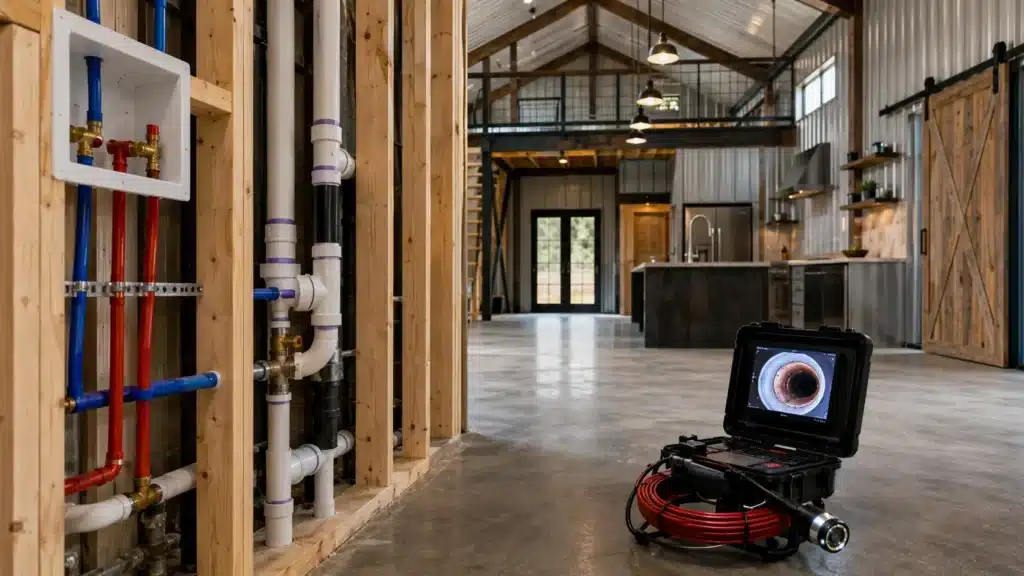
Plumbing Rough-In Inspection
Before walls are insulated or covered, plumbing systems are inspected.
Inspectors Usually Check
- Drain line slopes
- Venting systems
- Water line sizing
- Pipe materials
- Cleanout placement
- Pressure testing
- Fixture locations
- Septic connections
Rural Texas barndominiums commonly rely on septic systems rather than municipal sewer connections.
Septic inspections are often handled separately and may include:
- Percolation testing
- Tank sizing
- Lateral field installation
- Aerobic system compliance
- Spray field setbacks
Properties located near waterways or in regulated flood regions may have additional septic restrictions tied to Texas flood zone considerations for barndominiums.
Electrical Rough-In Inspection
Electrical inspections are among the strictest phases because safety risks are significant.
What Electrical Inspectors Look For
- Panel sizing
- Breaker compatibility
- Grounding systems
- Wire gauge compliance
- Outlet spacing
- GFCI protection
- AFCI protection
- Conduit installation
- Service entrance setup
- Load calculations
Barndominiums often include shops, garages, RV hookups, welders, or large HVAC systems that increase electrical demand.
Improper planning during the design phase frequently leads to overloaded panels or expensive upgrades later.
Working with a full-service Texas barndominium builder helps coordinate residential and shop electrical requirements from the beginning rather than retrofitting systems later.
HVAC Inspection
Texas heat places major demands on HVAC systems.
Inspectors typically review:
- Duct sizing
- Airflow design
- Equipment clearances
- Refrigerant line installation
- Ventilation systems
- Condensate drainage
- Energy code compliance
- Return air requirements
Inadequate insulation or improperly designed HVAC systems can lead to:
- Excess humidity
- Uneven cooling
- High energy bills
- Condensation problems
- Mold risk
This becomes especially important in humid regions like East Texas and areas near the Gulf Coast.
Insulation and Energy Code Inspection
Most Texas jurisdictions now enforce some version of the International Energy Conservation Code (IECC).
Inspectors may verify:
- Wall insulation values
- Roof insulation systems
- Spray foam thickness
- Air sealing
- Window efficiency ratings
- Exterior door performance
- Vapor barriers
Barndominiums require careful insulation planning because steel framing can create thermal bridging if not properly designed.
Spray foam insulation is common in Texas barndominiums because it helps manage:
- Heat transfer
- Moisture intrusion
- Air leakage
- Interior condensation
A properly designed Texas barndominium floor plan should account for insulation strategy early in the design process rather than treating it as a later upgrade.
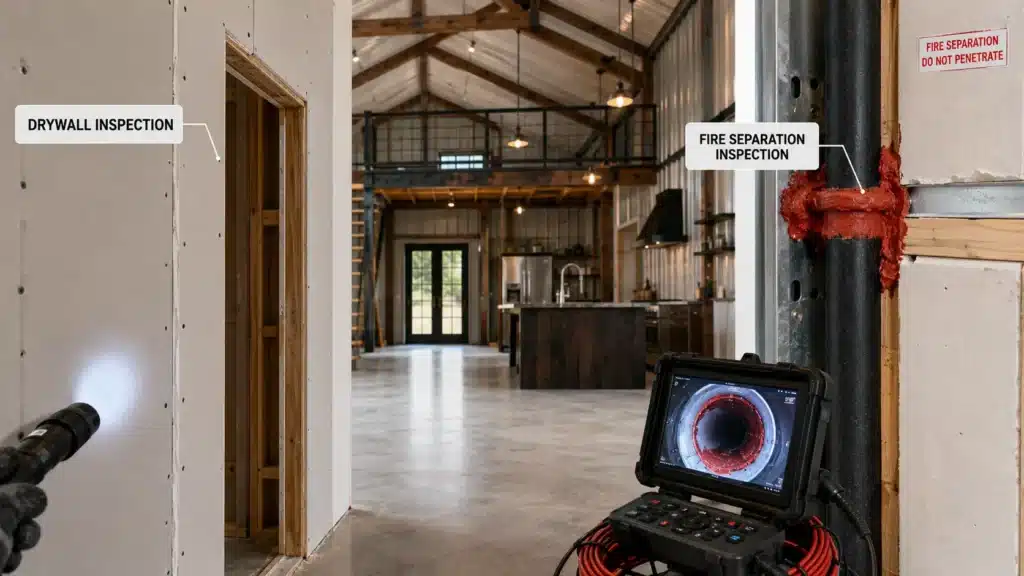
Drywall and Fire Separation Inspections
Some jurisdictions require inspections before drywall installation.
Inspectors may verify:
- Fire-rated assemblies
- Garage separation walls
- Penetration sealing
- Smoke detector placement
- Draft stopping
- Egress compliance
If the barndominium includes attached shops or garages, fire separation requirements become particularly important.
Improper fire separation between living areas and workshops is a common correction item.
Final Inspection
The final inspection determines whether the home can receive a certificate of occupancy.
What Inspectors Check at Final
Inspectors typically verify:
- All previous corrections completed
- Functional plumbing fixtures
- Electrical operation
- HVAC performance
- Stair safety
- Handrails
- Smoke alarms
- Carbon monoxide detectors
- Door and window operation
- Exterior grading
- Address visibility
- Septic completion
- Life safety compliance
The home generally cannot be legally occupied until final approval is issued.
Inspection Costs for Texas Barndominiums
Inspection and permit costs are part of the overall construction budget for any Texas barndominium. Costs vary depending on the county, city jurisdiction, septic requirements, and whether additional engineering or windstorm inspections are required.
Typical inspection-related expenses may include:
- Building permits
- Foundation inspections
- Electrical and plumbing inspections
- Septic inspections
- Final occupancy inspections
Rural counties often have lower inspection costs than larger metro or ETJ areas. Coastal regions may also require additional windstorm inspections.
When budgeting, it is important to account for these items alongside construction costs. Buyers comparing pricing should review the average cost to build a barndominium in Texas to better understand how permitting, inspections, engineering, and regional requirements affect the total project budget.
Have a Question About The Barndominium Inspections?
Certificate of Occupancy (CO)
After passing final inspection, the jurisdiction issues a Certificate of Occupancy.
This document confirms:
- The structure complies with local code
- Utilities are approved
- The home is safe for occupancy
Lenders and insurers often require the CO before finalizing financing or issuing permanent coverage.
How Inspections Differ Across Texas
Texas does not have a single statewide residential inspection system for barndominiums.
Requirements vary based on:
- County
- City jurisdiction
- ETJ authority
- Floodplain rules
- Utility providers
- Windstorm zones
Rural Counties
Some rural counties have minimal residential inspections beyond:
- Septic
- Electrical connection
- Floodplain compliance
However, lenders may still require third-party inspections even if the county does not.
Urban and Suburban Areas
Cities and fast-growing suburban counties often require:
- Full permit review
- Engineered plans
- Multiple phased inspections
- Energy compliance testing
- Stormwater management
Areas surrounding Dallas, Austin, and San Antonio typically involve more regulatory oversight than remote rural regions.
Homeowners researching turnkey barndominiums in Austin TX or barndominium builders in Central Texas should expect more detailed permitting and inspection processes than some rural West Texas locations.
Common Inspection Problems in Texas Barndominium Projects
Unengineered Plans
Many problems begin with incomplete or generic plans not designed for Texas conditions.
Texas-specific engineering matters because requirements differ based on:
- Wind exposure
- Soil movement
- Flood risk
- Snow loads in northern regions
Site Drainage Issues
Poor drainage causes long-term foundation movement and moisture problems.
Inspectors frequently flag:
- Improper grading
- Water retention near slab edges
- Inadequate culverts
- Missing swales
DIY Modifications
Homeowners sometimes change layouts, framing, or utilities during construction without updated approvals.
This often leads to failed inspections and expensive corrections.
Septic Miscalculations
Incorrect septic sizing is common on rural properties.
System design must account for:
- Bedroom count
- Soil conditions
- Water table levels
- County health regulations
How Experienced Builders Reduce Inspection Delays
Well-organized builders typically reduce delays by:
- Coordinating engineering early
- Scheduling inspections proactively
- Managing subcontractor sequencing
- Maintaining code compliance throughout construction
- Handling corrections quickly
- Understanding local jurisdiction expectations
This is especially important for large rural builds where inspection availability can delay schedules if coordination is poor.
An experienced Texas barndominium contractor will usually manage inspection scheduling directly rather than leaving homeowners to coordinate with multiple agencies themselves.
Questions to Ask Before Starting a Texas Barndominium
Before construction begins, buyers should ask:
- Which inspections are required in this county?
- Who handles permitting?
- Are engineered plans included?
- Is windstorm certification required?
- Does the property fall within an ETJ?
- Are floodplain permits needed?
- Who coordinates septic inspections?
- What happens if inspections fail?
- Are third-party inspections included?
These questions become even more important when evaluating raw land. Buyers researching how to choose the right land for your barndominium should always evaluate permitting and inspection feasibility before purchasing property.
Final Thoughts
Inspections are a critical part of building a safe, durable, and legally compliant barndominium in Texas. The process is not identical across the state, and requirements can change significantly between rural counties, suburban ETJs, and major metro areas.
Understanding what inspectors check at each phase helps homeowners avoid delays, reduce costly corrections, and make informed decisions when selecting a builder. Strong engineering, proper site preparation, experienced project management, and familiarity with Texas-specific regulations all play major roles in keeping inspections on track.
For buyers planning a new build, getting guidance early from professionals familiar with Texas permitting and inspection systems can prevent many of the issues that commonly slow projects down later.
Frequently Asked Question
Do all Texas barndominiums require inspections?
Not always. Inspection requirements depend on the county, city, or ETJ where the barndominium is being built. Some rural Texas counties have limited oversight and may only require septic or electrical inspections, while cities and suburban areas often require full permitting and multiple phased inspections throughout construction.
How many inspections does a typical Texas barndominium need?
Most fully permitted barndominium projects in Texas go through several inspections, including foundation, framing, plumbing rough-in, electrical rough-in, HVAC, insulation, and final inspection. Additional inspections may be required for septic systems, floodplain compliance, or windstorm certification depending on the property location.
Can a barndominium fail inspection in Texas?
Yes. Common reasons include foundation issues, improper electrical wiring, plumbing venting problems, framing deviations from engineered plans, or drainage concerns. Failed inspections usually require corrections before construction can continue, which is why experienced project management is important during every phase of the build.
Who schedules inspections during a barndominium build?
In most cases, the builder or general contractor schedules inspections with the local jurisdiction or third-party inspector. Homeowners working with a turnkey Texas barndominium builder typically do not need to coordinate inspections themselves, since the construction team manages the process as part of the overall project timeline.
Are inspections different for metal barndominiums compared to traditional homes?
The overall inspection process is similar, but metal barndominiums often receive additional attention on structural engineering, steel connections, anchoring systems, insulation methods, and wind-load compliance. Texas inspectors want to ensure the metal building system performs properly under regional weather conditions, especially in high-wind and coastal areas.