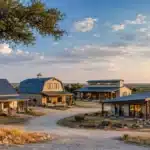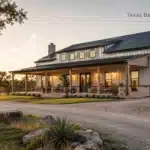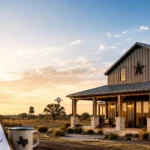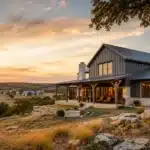
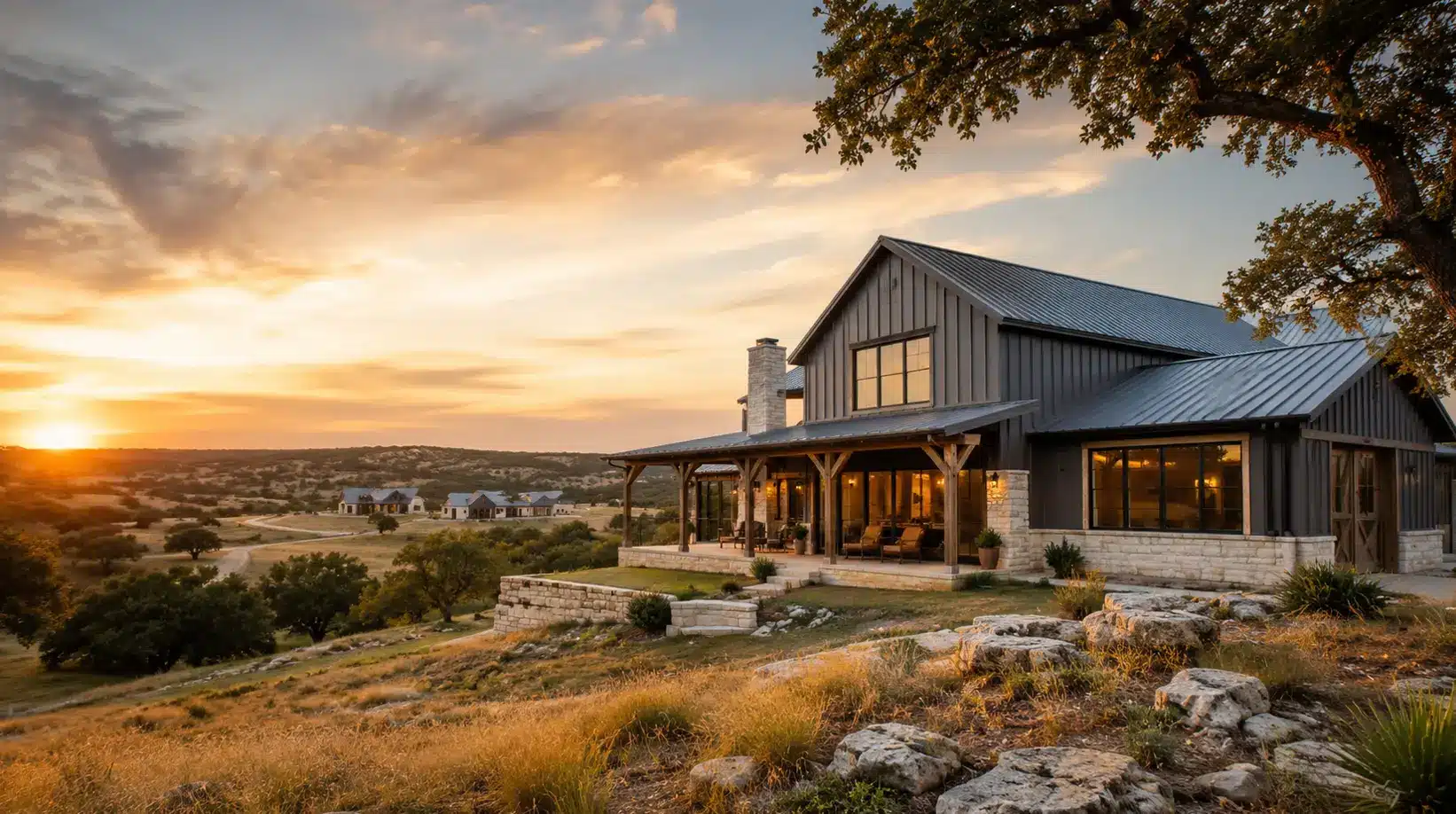
Ask two Texas barndominium owners what they paid per square foot, and the numbers can differ by tens of thousands of dollars, even for similar-sized homes. That gap is not random. Texas spans several distinct soil zones, wind regions, and labor markets, and each one changes what a build actually requires. This guide breaks down the specific regional factors that drive Texas barndominium pricing, so you understand why your quote looks different from your neighbor’s, or your cousin’s build three counties over.
Why Location Matters More Than Most Buyers Expect
A barndominium’s base price per square foot is only the starting point. What changes that number is everything the land and the location force into the design: the foundation engineering the soil demands, the wind rating the structure has to meet, how far materials and crews have to travel, and how competitive the local labor market is. Two buyers with an identical floor plan and finish level can land on very different budgets depending on which part of the state they are building in.
Understanding these regional drivers matters before you ever get a formal quote, since it explains why a number you saw online when searching for “how much does it cost to build a barndominium” may not reflect what your specific site will require.
Soil Type: The Single Biggest Regional Cost Driver
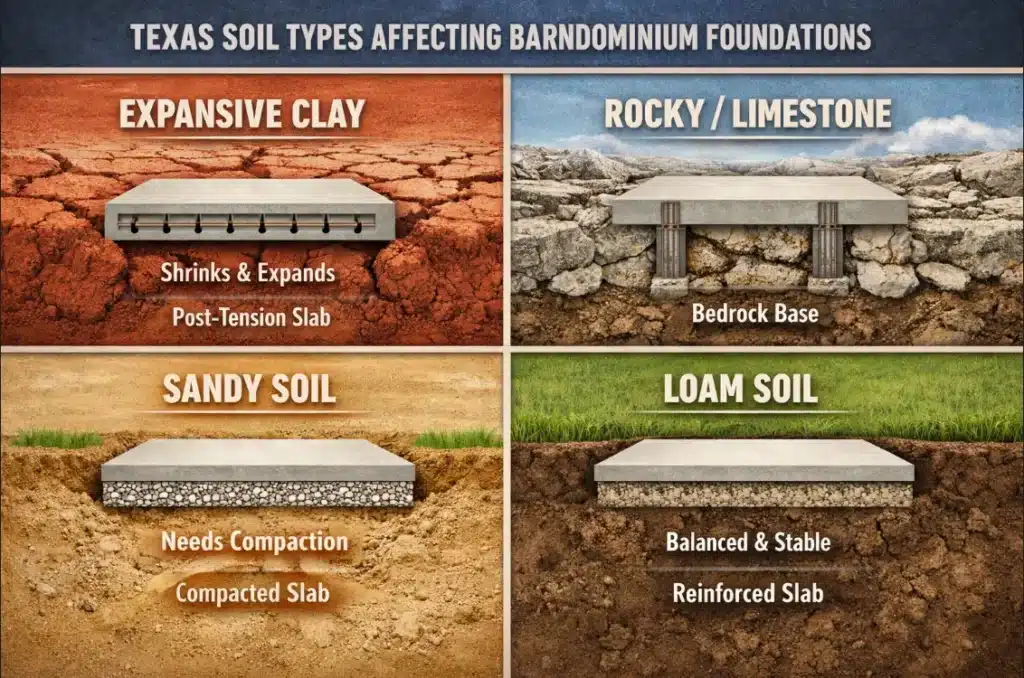
Texas has some of the most varied soil conditions of any state, and soil is the first thing that determines foundation design. A few major soil zones show up repeatedly across the state:
- Expansive black clay, common across North Texas, Central Texas, and the Blackland Prairie, which swells when wet and shrinks when dry, putting significant stress on standard slabs
- Caliche and rocky soils, typical of the Hill Country and much of West Texas, which offer strong bearing capacity but are harder and more expensive to excavate
- Sandy soils, found through much of East Texas and coastal areas, which drain well but need proper compaction to provide stable support
- Loamy and silty soils near river basins, which can hold water and require additional grading or drainage work
Expansive clay is the costliest condition to build on, since it typically requires engineered slabs, deeper piers, or post-tension foundations to prevent long-term cracking and heaving.
Rocky or caliche ground in Hill Country and West Texas locations can also raise costs, not because the soil is unstable, but because excavation takes longer and requires heavier equipment. This is one reason foundation costs alone can vary by thousands of dollars between two sites less than a hundred miles apart.
Wind Zones and the Gulf Coast Premium
Wind engineering is another major regional cost factor, and it follows a clear pattern as you move inland from the coast. Design wind speeds along the Gulf Coast, including Houston, Galveston, Corpus Christi, and Brownsville, commonly range from about 130 to 150 miles per hour or higher, while inland areas of North, South, and West Texas are often engineered closer to 90 to 130 miles per hour.
Buildings in higher wind zones need heavier gauge steel, closer frame spacing, additional bracing, and in many coastal counties, certification through the Texas Department of Insurance’s windstorm program. That certification process alone can add meaningful cost and several weeks of additional timeline on top of standard permitting. A barndominium engineered for coastal wind speeds can cost noticeably more per square foot than the same footprint built further inland, purely because of the structural upgrades required to meet code.
Land Cost and Site Preparation by Region
Raw land pricing varies enormously across Texas, and site preparation costs move with it. Broadly speaking:
- East Texas tends to offer lower land prices, but denser tree cover often means more clearing, stump removal, and drainage work before a pad can be built
- Central Texas land, particularly near growing metro corridors, commands higher prices and often comes with stricter county and city permitting
- North Texas generally balances moderate land costs with strong contractor and material availability, which helps keep labor pricing competitive
- South Texas and West Texas frequently offer larger, more affordable acreage, though remote sites can add delivery and mobilization costs for crews and materials
Site work is easy to underestimate. A heavily wooded East Texas lot or a caliche-heavy West Texas parcel can add site preparation costs that a buyer comparing only per-square-foot construction estimates would never see coming.
Want to discuss land cost and site prep for your region?
Labor Availability and Regional Market Pressure
Labor cost is shaped by supply and demand just like any other market. Around fast-growing metro areas such as Austin, Dallas-Fort Worth, and San Antonio, competition for skilled trades tends to push labor rates higher and can extend timelines during busy building seasons. In more rural counties, labor costs are often lower, but the pool of experienced barndominium-specific tradespeople may be smaller, which is why timing and contractor selection matter as much as location itself.
Working with an established barndominium builder in Texas that already has crews and supplier relationships across multiple regions tends to smooth out this variability, since the builder is not starting from scratch in an unfamiliar labor market for every project.
Utilities and Rural Infrastructure Costs
Many barndominium sites sit outside city utility service, which shifts water, power, and sewer costs onto the property owner. These costs differ by region depending on terrain, distance to the nearest power line, and local groundwater conditions:
- Well drilling costs depend heavily on how deep crews have to drill to reach a reliable aquifer, which varies significantly by county
- Septic system design and installation costs shift with soil percolation rates, since slow-draining clay soils often require larger or engineered systems
- Extending electrical service to a remote parcel can add substantial cost if the site sits far from existing lines
- Rural internet access, while not structural, often factors into a buyer’s overall site budget and equipment choices
These costs are calculated separately from the structure itself, which is why understanding utilities requirements in rural Texas early in the process helps avoid budget surprises once land is under contract.
Permitting and Local Code Differences
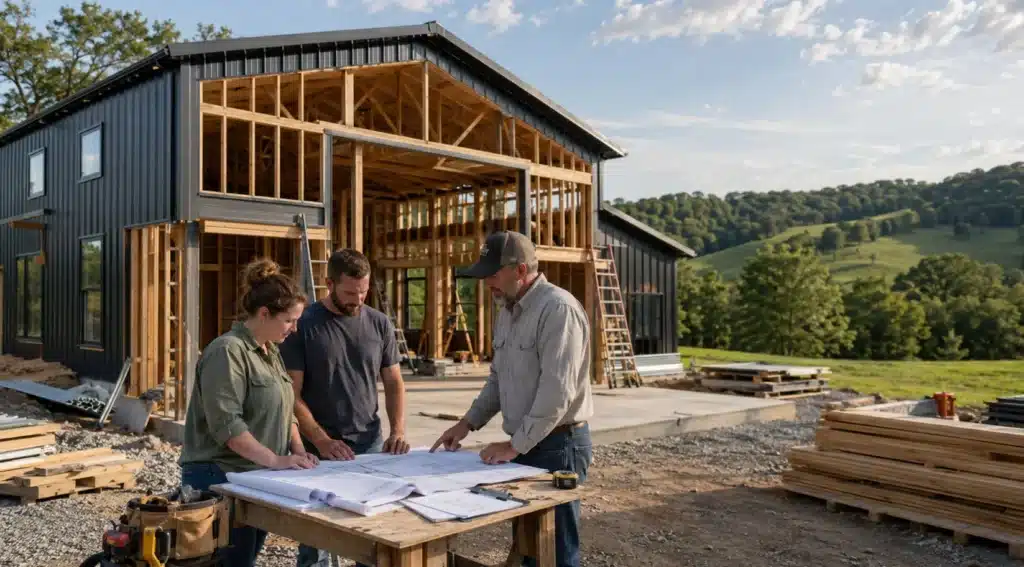
Permitting requirements are far from uniform across Texas. Some rural counties have minimal building code enforcement, while cities and their surrounding jurisdictions often apply stricter zoning, setback, and inspection requirements. Coastal counties add windstorm certification on top of standard permitting, and floodplain-adjacent sites may require elevation certificates or engineered drainage plans regardless of region.
These differences affect both cost and timeline. A rural site with light permitting oversight can often move to construction faster, while a site inside city limits or a coastal floodplain may need additional engineering review before a permit is even issued. Buyers comparing quotes across regions should factor in these permitting differences, not just the construction price itself.
Common Misconceptions About Regional Cost Differences
A few misunderstandings come up repeatedly when buyers compare costs across Texas regions:
- Assuming rural land is always cheaper to build on overall, when site preparation or utility extension can offset lower land prices
- Believing a quoted price per square foot from one region applies statewide, without adjusting for soil, wind zone, or permitting differences
- Underestimating how much foundation engineering costs on expansive clay compared to stable, well-draining soil
- Assuming coastal wind requirements only apply to homes directly on the waterfront, when TDI windstorm zones often extend well inland
Recognizing these misconceptions early helps buyers set a realistic budget instead of anchoring on a single statewide average that may not reflect their specific site.
How Design Choices Interact With Regional Cost Factors
Floor plan and layout decisions can either work with or against regional cost pressures. A large shop footprint on a rocky West Texas site, for example, adds excavation cost that a similar layout on stable East Texas ground would not. Complex rooflines and multiple structural spans also amplify wind-engineering costs in coastal zones more than they would inland.
This is one reason it helps to review Texas barndominium floor plans alongside site-specific factors like soil and wind zone, rather than choosing a layout first and adapting the engineering afterward. The two decisions influence each other, and sequencing them correctly can prevent costly redesigns later in the process.
Would you like to speak to qualified barndo builder in Texas?
Regional Snapshot: What Typically Drives Cost in Each Area
Pulling these factors together, a few regional patterns tend to hold true across the state. Land near South Texas often offers more affordable acreage but can involve longer delivery distances for materials and crews on remote parcels.
Areas served by East Texas barndominium builders frequently deal with denser vegetation and sandier soil, which shifts costs toward clearing and drainage rather than foundation engineering.
Central Texas markets, including areas around Waco, tend to combine higher land values with expansive clay soils, pushing both land and foundation costs upward simultaneously. None of these patterns are absolute, since every parcel has its own soil test and site conditions, but they explain why a statewide average price rarely matches what a specific property will actually cost.
Conclusion
Barndominium costs in Texas vary as much by geography as they do by finish level, and soil, wind zone, land pricing, labor markets, and permitting all move independently of one another depending on where you build. A buyer in the Hill Country and a buyer in East Texas can start with the same floor plan and end up with meaningfully different budgets once these regional factors are applied. Understanding what drives cost in your specific area, rather than relying on a single statewide number, is the clearest path to a realistic and accurate budget before construction begins.
Frequently Asked Questions
Why is my barndominium quote higher than the average cost I saw online?
Statewide averages rarely account for your specific soil conditions, wind zone, or site access. A quote that reflects expansive clay foundation engineering, coastal wind certification, or a remote delivery location will typically come in above a generic statewide figure.
Is it cheaper to build a barndominium in rural Texas than near a city?
Land is usually less expensive in rural areas, but site preparation, utility extension, and limited local labor availability can offset those savings. Whether rural building ends up cheaper overall depends heavily on the specific site’s terrain and distance from existing infrastructure.
Do all barndominiums near the Texas coast need windstorm certification?
Not every coastal home requires it, but Texas Department of Insurance windstorm certification zones extend well beyond the immediate waterfront in many Gulf Coast counties. It’s worth confirming your parcel’s zone status before assuming a standard wind rating will apply.
How much does soil type actually add to a barndominium’s cost?
Expansive clay soils generally require engineered slabs or deeper piers, which can add thousands of dollars compared to a stable, well-draining site. The exact difference depends on the soil report and the foundation type an engineer recommends for that property.
Does a bigger shop or garage space always increase the cost per square foot?
Not necessarily. Shop and storage space is typically less expensive to finish than living space, which can actually lower the overall average cost per square foot even as the total project cost increases with a larger footprint.