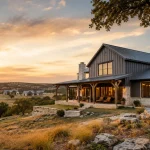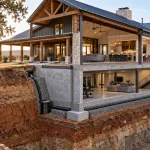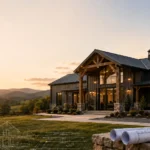
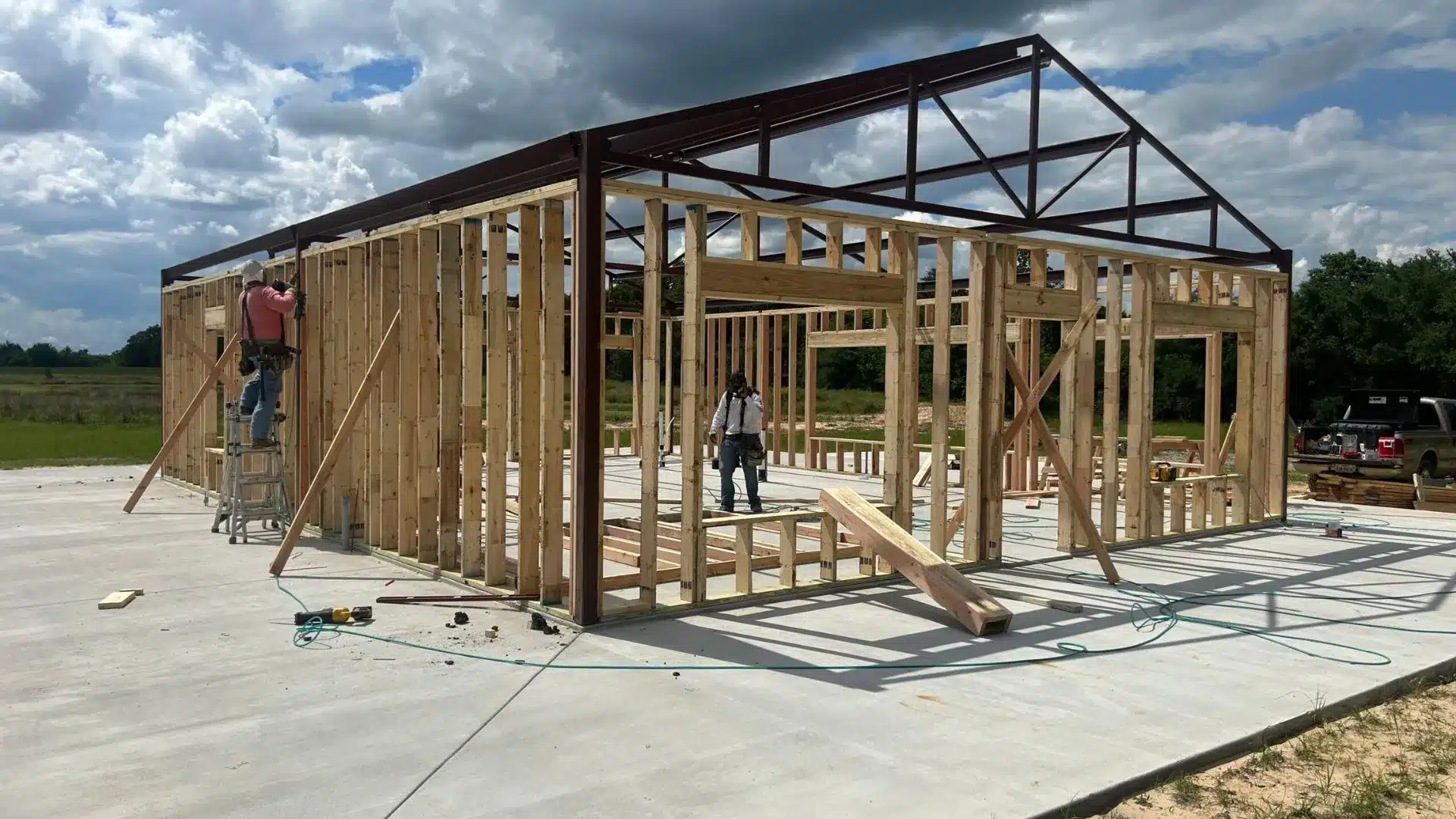
Building a barndominium in East Texas is fundamentally different from building in Central or West Texas. The climate, soil conditions, rainfall patterns, and vegetation all introduce variables that directly affect how a structure should be designed, engineered, and built.
If you’re planning a project in this region, understanding drainage, moisture control, and humidity isn’t optional-it’s critical to long-term performance, durability, and comfort.
This guide breaks down what actually matters on the ground in East Texas, based on real construction conditions.
Understanding East Texas Building Conditions
East Texas presents a unique combination of environmental factors:
- High annual rainfall (often 45–60+ inches)
- Expansive clay soils in many counties
- Dense tree coverage and organic topsoil
- High humidity levels year-round
- Frequent seasonal storms
These conditions directly influence:
- Foundation design
- Site preparation
- Structural durability
- Indoor air quality
- Long-term maintenance
Many buyers underestimate how much these variables affect cost and design decisions. If you’re still early in the process, it’s worth reviewing our complete guide to building a barndo in Texas to understand how regional differences impact the entire project.
Site Selection in East Texas: What Actually Matters
Before design even begins, the land itself determines whether your build will succeed or create ongoing problems.
Key Factors to Evaluate
1. Natural Drainage Patterns
East Texas land often looks flat but may have subtle slopes that control water movement.
- Avoid low-lying areas where water collects
- Look for natural runoff paths
- Identify nearby creeks, ponds, or flood-prone zones
Poor drainage at the land level cannot be fully corrected later – it can only be managed.
2. Soil Composition
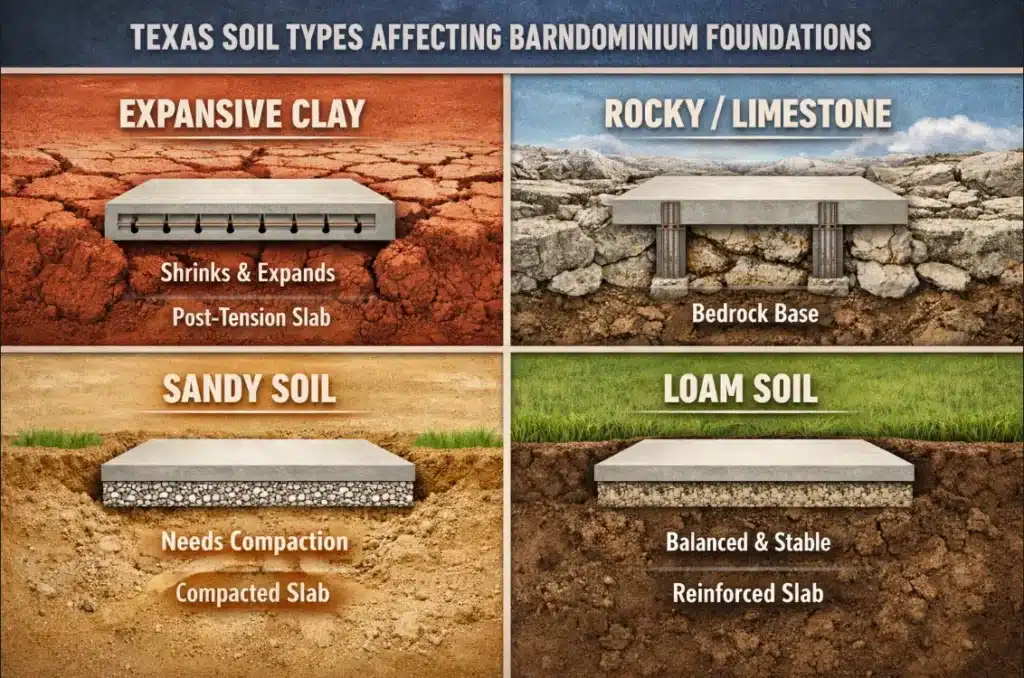
Many areas in East Texas have expansive clay soils that:
- Swell when wet
- Shrink during dry periods
- Create foundation movement over time
This requires engineered foundation solutions – not standard slab assumptions.
3. Tree Density and Clearing
Heavily wooded lots are common, but clearing impacts:
- Drainage patterns
- Soil stability
- Moisture retention
Removing trees without a grading plan often leads to erosion or standing water.
If you’re still evaluating property, understanding how to choose the right land for your barndominium is essential before committing.
Drainage Design: The Most Overlooked Critical System
Drainage is one of the biggest failure points in East Texas barndominiums – and one of the least understood by buyers.
Why Drainage Matters More Here
With frequent rainfall and slower soil absorption rates, water must be actively directed away from the structure.
Without proper drainage:
- Foundations shift
- Moisture enters slabs and walls
- Mold risks increase
- Exterior areas become unusable
Core Drainage Strategies
1. Elevation and Pad Construction
A properly built pad is non-negotiable.
- The home should sit higher than surrounding grade
- Imported fill may be required
- Compaction must meet engineering standards
2. Positive Slope Around the Structure
Water should always move away from the building.
- Minimum slope: ~5% away from the structure
- No flat zones near the foundation
3. Swales and Surface Drainage
Shallow channels (swales) guide water safely across the property.
- Direct runoff away from slab
- Prevent pooling near walls
4. French Drains (When Needed)
Used in areas with persistent water accumulation.
- Installed below grade
- Redirect groundwater away from foundation
5. Roof Water Management
Gutters and downspouts are not optional in East Texas.
- Direct water at least 5–10 feet away
- Tie into drainage systems where needed
If you’re evaluating land risks, it’s also important to understand flood zones in Texas before finalizing a build location.
Want To Speak To a Certified Barndominium Builder in East Texas?
Foundation Considerations for East Texas
The combination of moisture and soil movement requires careful engineering.
Common Foundation Approaches
Post-Tension Slabs
Often used to manage soil movement:
Used where:
- Reinforced to resist expansion/contraction
- Helps reduce cracking
Pier and Beam (In Some Cases)
- Drainage is difficult
- Soil conditions are unstable
Engineered Slab-on-Grade
Custom-designed based on soil reports.
No two East Texas builds should assume the same foundation design.
Humidity: The Silent Long-Term Issue
Humidity in East Texas is not seasonal – it’s constant. This affects both the structure and how the home feels to live in.
What High Humidity Impacts
- Indoor comfort
- HVAC efficiency
- Mold and mildew risk
- Insulation performance
- Metal building condensation
Moisture Control in Metal Barndominiums
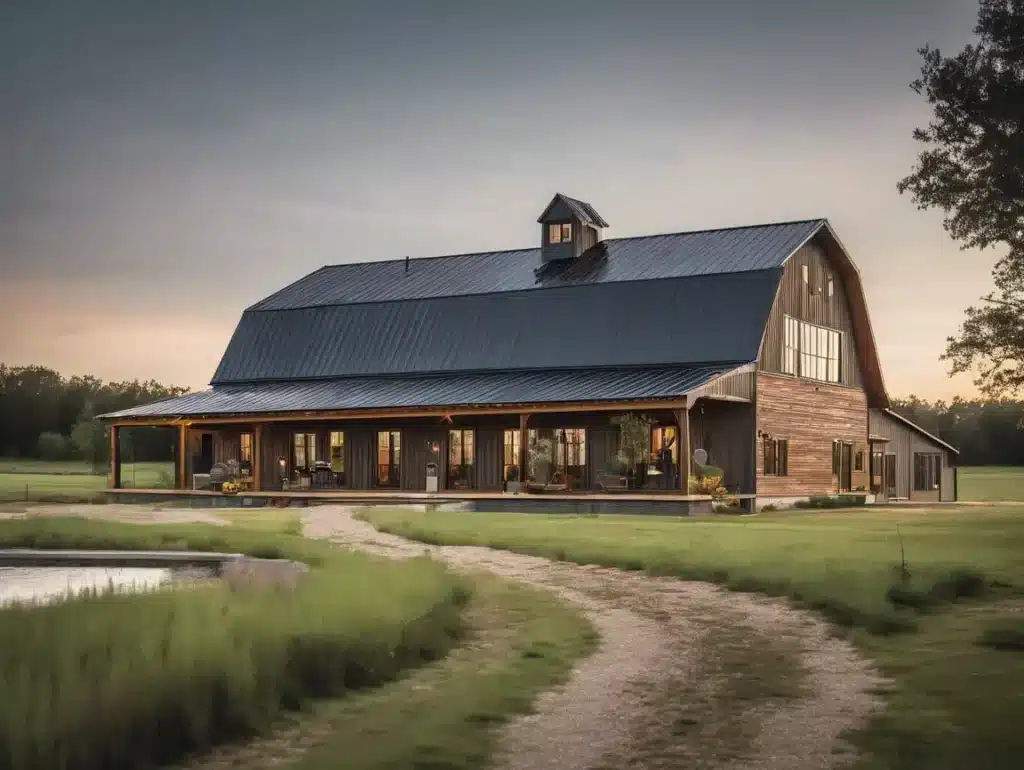
Barndominiums in East Texas are often metal structures, which behave differently than traditional homes.
Condensation Risk
Metal surfaces can accumulate condensation when:
- Warm humid air meets cooler surfaces
- Insulation is improperly installed
Without proper control:
- Water forms inside walls or ceilings
- Leads to hidden moisture damage
Solutions That Actually Work
1. Proper Insulation Systems
Not all insulation performs equally in humid climates.
Common effective options:
- Closed-cell spray foam (air + vapor barrier)
- Hybrid systems (spray foam + batts)
2. Vapor Barriers
Critical in East Texas builds.
- Prevent moisture migration into walls
- Must be correctly placed based on wall assembly
3. Ventilation Systems
Airflow matters just as much as insulation.
- Ridge vents or mechanical ventilation
- Helps regulate moisture levels
A qualified metal barndominium construction company in Texas should design these systems specifically for humid environments – not apply generic insulation packages.
HVAC Design for High-Humidity Regions
HVAC systems in East Texas and especially around the rural parts and Jacksonville need to do more than cool air – they must remove moisture.
What to Look For:
- Proper system sizing (oversized units fail to dehumidify properly)
- Variable-speed systems for better moisture control
- Dedicated dehumidification if needed
Poor HVAC design is one of the main reasons barndominiums feel “clammy” indoors.
Exterior Design Choices That Perform Better
Design decisions directly affect how well a barndominium handles East Texas conditions.
Roof Design
- Steeper pitches shed water faster
- Extended overhangs protect walls and foundation
- Metal roofing must be properly vented in East TExas
Siding and Materials
- Moisture-resistant materials perform better long-term
- Proper flashing and sealing are critical
Porches and Covered Areas
- Reduce direct water exposure
- Help manage runoff around entry points
Need help planning you barndo in East Texas?
Layout Planning for East Texas Living
Design isn’t just about aesthetics – it impacts airflow, comfort, and usability.
Smart Layout Considerations:
- Position living spaces to maximize natural airflow
- Avoid trapping humidity in enclosed areas
- Plan mudrooms or transition spaces for wet conditions
If you’re still exploring layouts, reviewing barndominium floor plans in Texas can help you identify designs that work well in high-moisture environments.
Learn more about why costs vary across Texas for barndominiums.
Permits, Counties, and Local Variability
East Texas includes a wide range of counties, each with different requirements.
- Some areas have minimal zoning
- Others require permits, inspections, or engineered plans
- ETJ (extraterritorial jurisdiction) rules may apply near cities
Understanding what is an ETJ in Texas and how it affects your build is important before finalizing plans.
You should also be aware of how regulations vary when building a barndominium across Texas counties and cities, especially in rural vs semi-developed areas.
Why Turnkey Matters More in East Texas
Because of the environmental complexity, coordination between:
- Site prep
- Engineering
- Foundation
- Structural build
- Moisture control systems
…is critical.
Fragmented builds (multiple contractors) often lead to:
- Drainage gaps
- Insulation mistakes
- HVAC mismatches
Working with a turnkey barndominium builder in Texas ensures all systems are designed together – not in isolation.
For projects specifically in this region, it’s important to work with experienced barndominium builders in East Texas, not generalists who build every type of property in Texas.
Financing and Planning for East Texas Builds
Moisture control, drainage systems, and engineered foundations can affect cost.
Planning ahead helps avoid surprises.
Getting early input through barndominium financing guidance and support ensures realistic budgeting, proper allocation for site work and no compromises on critical systems.
Final Thoughts: Build for the Environment, Not Against It
East Texas is one of the most rewarding regions to build a barndominium – but only if it’s done correctly.
The biggest mistakes come from:
- Treating East Texas like drier parts of the state
- Underestimating drainage
- Ignoring humidity in design decisions
A properly designed and built barndominium here should:
- Stay dry year-round
- Maintain consistent indoor comfort
- Require minimal long-term correction
If you’re planning a project and want clarity on your land, design, or build approach, it’s worth speaking directly with barndominium builder in Texas who understands the realities of building in this region.
Frequently Asked Question
1. Do barndominiums hold up well in East Texas humidity?
Yes, if they are built correctly. The structure itself isn’t the issue; poor moisture control is. In East Texas, success depends on proper insulation (typically closed-cell spray foam), well-designed vapor barriers, and a correctly sized HVAC system that actively removes humidity. When these are done right, a barndominium performs just as well as, or better than, a traditional home.
2. Is drainage really that important when building in East Texas?
It’s one of the most critical parts of the entire build. East Texas receives significantly more rainfall than other parts of the state, and the soil often drains slowly. Without proper grading, elevation, and water management systems, you can run into foundation movement, standing water, and long-term structural issues. Drainage must be planned from the very beginning – not added later.
3. What type of foundation is best for East Texas barndominiums?
There’s no one-size-fits-all answer. Most builds use engineered slab-on-grade or post-tension slabs designed specifically for the soil conditions on that property. In areas with more challenging drainage or soil movement, pier and beam foundations may be considered. A soil test and engineering plan are essential before deciding.
4. Do I need special insulation for a barndominium in East Texas?
Yes. Standard insulation approaches often fail in high-humidity environments. Closed-cell spray foam is commonly used because it acts as both insulation and a moisture barrier. In some cases, hybrid systems are used for cost efficiency. The key is preventing condensation inside the metal structure while maintaining energy efficiency.
5. Can I build a barndominium on any land in East Texas?
Not all land is equally suitable. Properties with poor drainage, located in flood-prone areas, or with heavy clay soils may require significant site work and engineering. Before purchasing land, it’s important to evaluate elevation, water flow, soil conditions, and access. Choosing the right land upfront can save substantial time and money during construction.