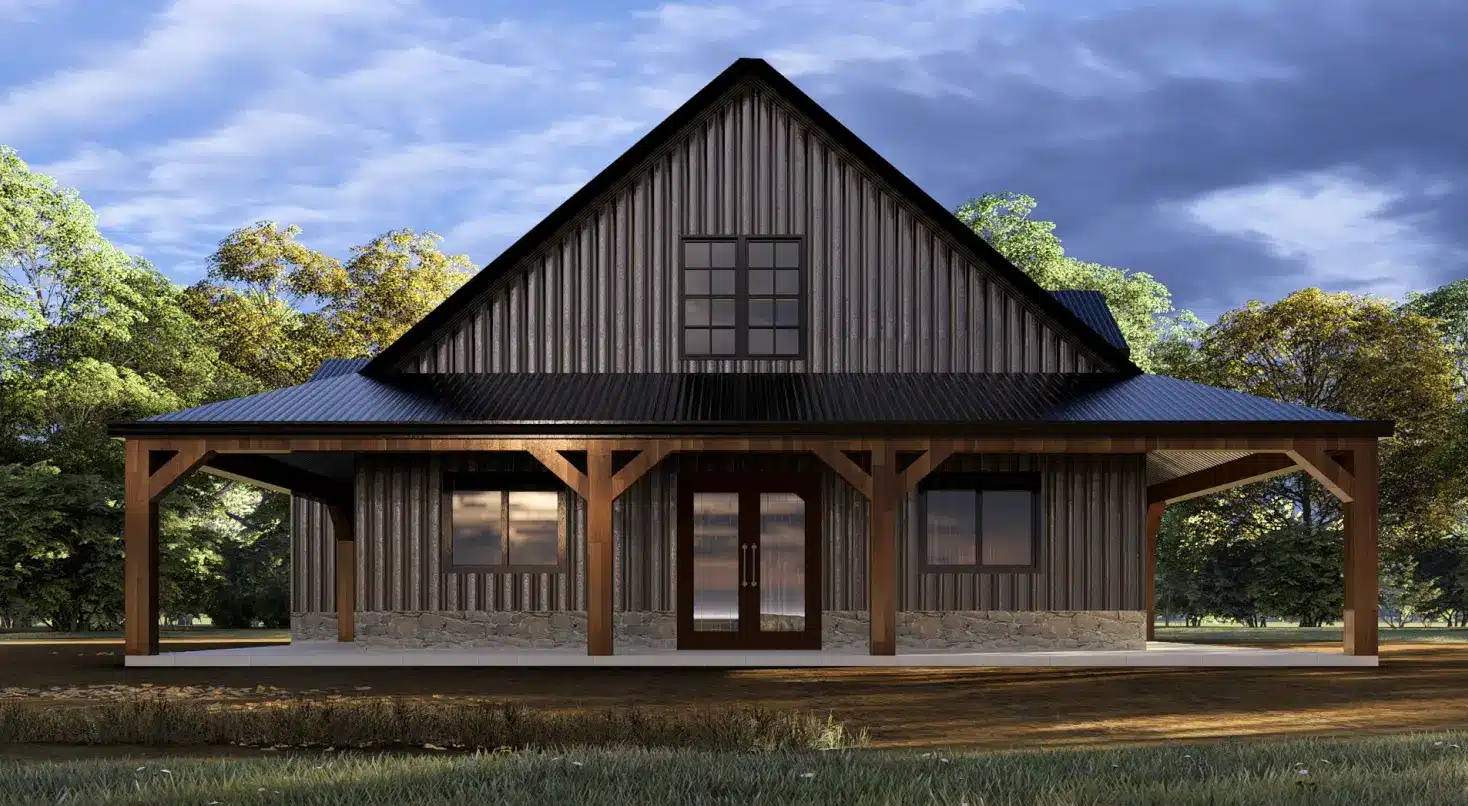
Central Texas and the Hill Country offer some of the most desirable land in the state for barndominium builds – rolling views, large acreage, and proximity to cities like Austin and San Antonio. But building in this region is fundamentally different from building in flat, open parts of Texas.
The terrain is harder. The soil behaves differently. Wind exposure is higher. And site preparation requires more planning than most buyers expect.
If you’re considering a barndominium in this region, understanding how rock, slope, and wind affect construction is critical before you purchase land or finalize a design.
Why Central Texas Is a Unique Building Environment
The Hill Country sits on a limestone-rich geological base with varying elevations, shallow soils, and natural drainage patterns that differ significantly from other regions of Texas.
Common characteristics include:
- Limestone and caliche rock layers
- Sloped or uneven terrain
- Thin topsoil over bedrock
- Seasonal creeks and drainage paths
- Increased wind exposure on elevated sites
These factors impact everything from foundation design to driveway access and utility installation.
Buyers comparing regions often don’t realize how different this area is until they begin planning. That’s why understanding what makes Texas different for Barndominium builds is essential early in the process.
Building on Rock: What Barndomininum Buyers Need to Expect
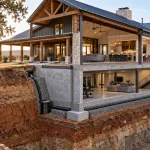
Rock is one of the defining features of Central Texas land. In some areas, solid limestone can be just inches below the surface.
Excavation and Site Preparation
Unlike soft soil regions, site prep here often involves:
- Rock cutting or trenching
- Heavy equipment excavation
- Additional time for utility installation (water, septic, electrical)
This can increase upfront costs compared to other parts of Texas, but it also provides long-term stability when handled correctly.
Foundation Design on Rock
Building on rock can actually be an advantage when engineered properly.
Common approaches include:
- Pier and beam systems drilled into bedrock
- Post-tension slab foundations anchored to stable layers
- Hybrid systems depending on slope and soil depth
The key is matching the foundation design to the specific site conditions – not using a one-size-fits-all approach.
This is where working with an experienced Texas barndominium contractor becomes important, as foundation mistakes in rocky terrain are expensive to correct later.
Sloped Land: Opportunities and Challenges
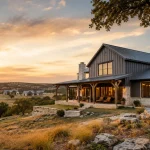
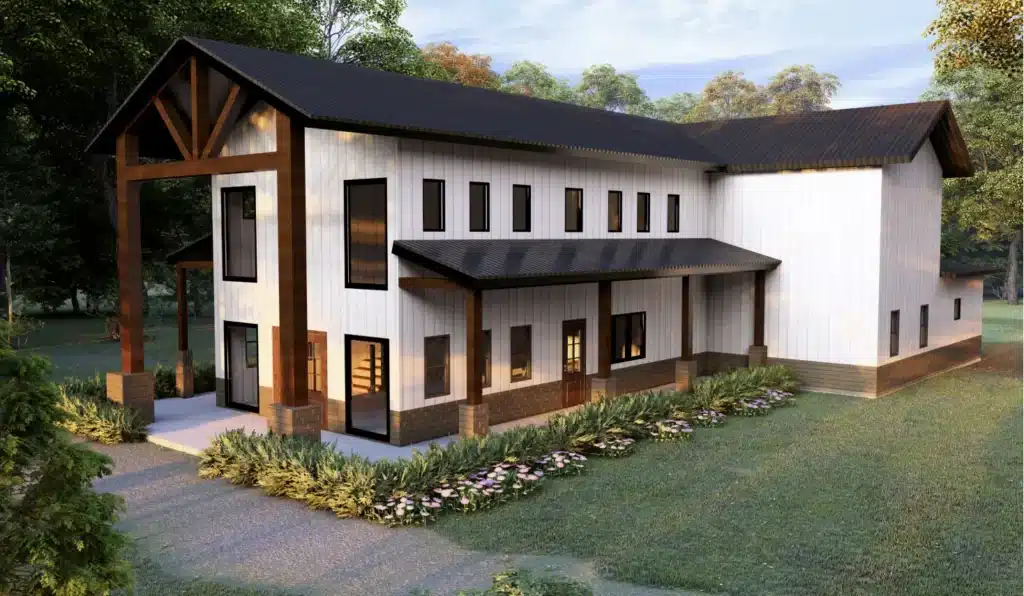
Many Hill Country properties feature slopes rather than flat build sites. While this creates views and privacy, it also introduces design complexity.
Choosing the Right Building Location
On larger parcels, the best building site is not always the highest point or the flattest visible area.
A proper evaluation considers:
- Natural drainage paths
- Soil depth variations
- Accessibility for construction equipment
- Long-term driveway grading
This is part of a broader strategy covered in how to choose the right land for your barndominium.
Grading and Site Work
Sloped land often requires:
- Cut-and-fill grading
- Retaining walls in some cases
- Stabilization to prevent erosion
Poor grading can lead to water runoff issues, foundation stress, or long-term maintenance problems.
Designing for the Slope
Instead of forcing the land to fit the structure, well-designed barndominiums in this region adapt to the terrain.
Examples include:
- Split-level layouts
- Walk-out lower levels
- Elevated porches with views
- Garage or shop spaces integrated into the slope
These designs are often developed during early planning using custom barndominium floor plans in Texas tailored to the specific property.
Wind Exposure in the Hill Country
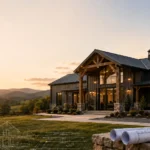
Elevation and open terrain make wind a significant factor in Central Texas.
Why Wind Matters
Hilltops and ridgelines experience:
- Stronger sustained winds
- Higher gust speeds during storms
- Increased structural stress on large-span buildings
Metal barndominiums, in particular, must be engineered to handle these conditions.
Structural Design for Wind Loads
Barndominiums in this region are typically engineered with:
- Reinforced framing systems
- Anchored foundations
- Wind-rated roofing systems
- Proper fastening and bracing
Builders familiar with metal building barndominium construction in Texas understand how to design for both structural safety and long-term durability.
Want To Speak To an Expert Barndominium Builder in Texas?
Drainage and Water Flow on Hill Country Properties
Even though Central Texas is not as flood-prone as coastal regions, drainage still plays a major role in construction planning.
Natural Water Movement
Sloped land creates natural runoff patterns. During heavy rainfall:
- Water moves quickly downhill
- Low points can collect standing water
- Dry creeks can become active temporarily
Ignoring these patterns can lead to:
- Foundation erosion
- Water intrusion
- Driveway washouts
Learn more about flood zones in Texas.
Drainage Solutions
Proper site planning includes:
- Strategic grading
- Swales and drainage channels
- Culverts under driveways
- Retention areas if needed
Drainage is often evaluated alongside other land factors during land selection and site evaluation assistance before construction begins.
Utilities and Infrastructure Challenges
Running utilities in rocky, sloped terrain is more complex than in flat regions.
Septic Systems
Central Texas often relies on septic systems, which must be designed based on:
- Soil depth
- Rock content
- Drainage capability
Some properties may require engineered septic solutions due to shallow soil.
Water and Electrical Access
Depending on location:
- Wells may need to be drilled deeper through rock
- Electrical trenching may involve rock cutting
- Long driveway runs can increase infrastructure costs
These factors are typically evaluated early in projects handled by teams building turnkey barndominiums in Austin TX and surrounding areas like Waco.
County Regulations and Hill Country Building Considerations
Central Texas includes a mix of counties, ETJs, and city jurisdictions, each with its own rules.
Key considerations include:
- Permitting requirements
- Septic approvals
- Environmental restrictions in some areas
- Road access standards
Understanding building a barndominium in Texas counties and cities helps avoid delays during permitting.
In some areas, ETJ regulations may influence what can be built and how utilities are approved – making it important to understand what is an ETJ before purchasing land.
Designing for Long-Term Performance
A well-built Hill Country barndominium is designed with the land – not against it.
Key design priorities include:
- Matching foundation to terrain
- Positioning the home for wind protection
- Planning drainage from day one
- Integrating the structure into the slope
This approach reduces long-term maintenance and improves overall durability.
Builders experienced in barndominium builders in Central Texas typically approach projects with this level of site-specific planning.
Cost Expectations for Hill Country Builds
Costs in Central Texas can vary significantly depending on land conditions.
Factors that influence cost include:
- Amount of rock excavation required
- Slope severity and grading work
- Distance for utilities and driveway installation
- Foundation complexity
- Engineering requirements for wind loads
While land may appear more affordable in rural areas, total project costs depend heavily on site conditions—not just acreage price.
Have a question about building in Hill Country?
Why Early Planning Matters More in This Region
In flat regions, some decisions can be adjusted during construction. In the Hill Country, most critical decisions must be made early.
These include:
- Exact building placement
- Foundation type
- Drainage strategy
- Utility routing
Changing these later can be expensive or impractical.
That’s why many buyers benefit from early collaboration with a full-service turnkey barndominium builder in Texas who can evaluate land, design, and construction together.
Central Texas vs Other Regions
Compared to other parts of Texas:
- East Texas: Softer soil, more drainage concerns, less rock
- North Texas: More suburban expansion, fewer slope challenges
- West Texas: Less vegetation, more wind but flatter terrain
Central Texas stands out because it combines:
- Hard rock excavation
- Sloped land design
- Wind exposure
- Variable soil conditions
Each of these must be addressed together – not individually.
When to Speak With a Barndominium Builder
If you’re considering building in Central Texas or the Hill Country, the best time to involve a builder is before land is purchased or finalized.
A qualified builder can help:
- Evaluate the buildability of the property
- Identify hidden costs related to terrain
- Recommend the best building location
- Align design with land conditions
If you’re comparing options or evaluating property, it’s worth taking the time to talk with a Texas barndominium expert or get guidance on your barndominium project.
Read our complete guide to building a Barndo in Texas.
Final Thoughts
Central Texas offers some of the most rewarding barndominium builds in the state – but it requires a different level of planning.
Rock, slope, and wind are not obstacles when handled correctly. They are simply conditions that shape how the home should be designed and built.
The difference between a smooth project and a costly one often comes down to how early these factors are understood – and how well they are integrated into the construction plan from the start.
Frequently Asked Questions
Is it more expensive to build a barndominium in Central Texas compared to other regions?
In many cases, yes, but it depends on the land. Costs are often higher due to rock excavation, slope grading, and more complex foundation work. However, not every property has the same challenges. Some parcels may have minimal rock or more buildable areas. The key is evaluating the land early, because two properties in the same county can have very different construction costs based on terrain.
What type of foundation is best for barndominiums in the Hill Country?
There is no single “best” foundation. It depends entirely on the site. On rocky or sloped land, builders often use pier and beam systems drilled into bedrock or post-tension slabs designed for variable soil depth. The right choice comes from engineering the foundation specifically for the property rather than applying a standard design.
Can you build a barndominium on a steep slope?
Yes, but it requires careful planning. Steeper slopes may involve cut-and-fill grading, retaining walls, or split-level designs that work with the terrain. In some cases, building into the slope rather than leveling it completely is more efficient and cost-effective. Proper site evaluation is essential to determine feasibility and long-term stability.
How does wind affect barndominium construction in Central Texas?
Wind exposure is a major factor, especially on elevated or open properties. Structures must be engineered to meet regional wind load requirements, which can include reinforced framing, anchored foundations, and properly rated roofing systems. Ignoring wind considerations can lead to long-term structural issues, so it is addressed during both design and engineering phases.
What should I check before buying land in the Hill Country for a barndominium?
Before purchasing land, you should evaluate rock depth, slope severity, drainage patterns, access for construction equipment, and availability of utilities. It’s also important to confirm local permitting requirements and whether the property falls within an ETJ or regulated area. Having a builder or site expert review the property beforehand can help you avoid unexpected costs and design limitations.