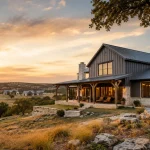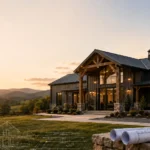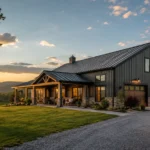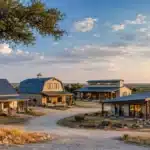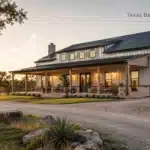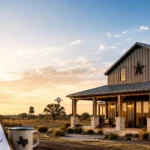
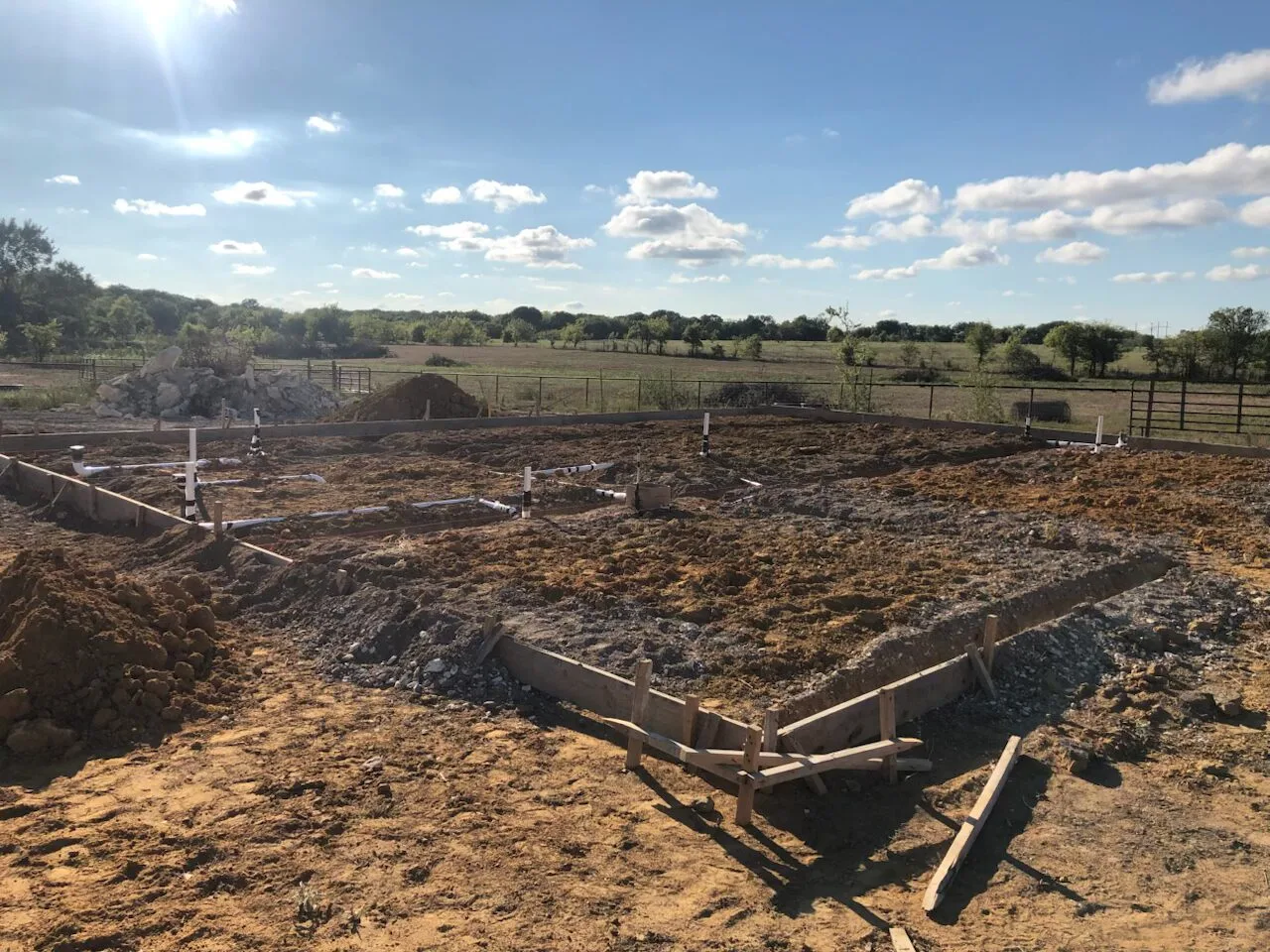
Building a barndominium in Texas starts from the ground up – literally. Before floor plans, framing, or finishes, the single most important structural factor is the soil your foundation sits on.
Across Texas, soil conditions vary dramatically. You can move from expansive clay in North Texas to limestone bedrock in the Hill Country, sandy soils in East Texas, and caliche-heavy ground in West Texas – all within a few hours’ drive. Each soil type behaves differently under load, moisture, and seasonal movement.
For barndominiums, which often use large slab foundations and metal structural systems, understanding soil conditions early can prevent expensive structural issues later.
This guide explains how the main Texas soil types affect barndominium foundations, what engineers look for during site evaluation, and how experienced builders design foundations that remain stable for decades.
Why Soil Matters for Barndominium Foundations
Every foundation transfers the building’s weight into the ground beneath it. If the soil moves, compresses, or expands unevenly, the structure above can experience:
- Cracking slabs
- Uneven settling
- Wall and framing stress
- Door and window misalignment
- Plumbing damage
Texas presents a unique challenge because many areas contain expansive soils, which swell when wet and shrink when dry.
Metal buildings and barndominiums are structurally strong, but they still rely entirely on the foundation system engineered for the specific soil conditions.
This is why professional builders always conduct soil analysis before designing the foundation system.
For anyone researching how to build a barndo in Texas, soil and foundation design should be considered one of the earliest planning steps.
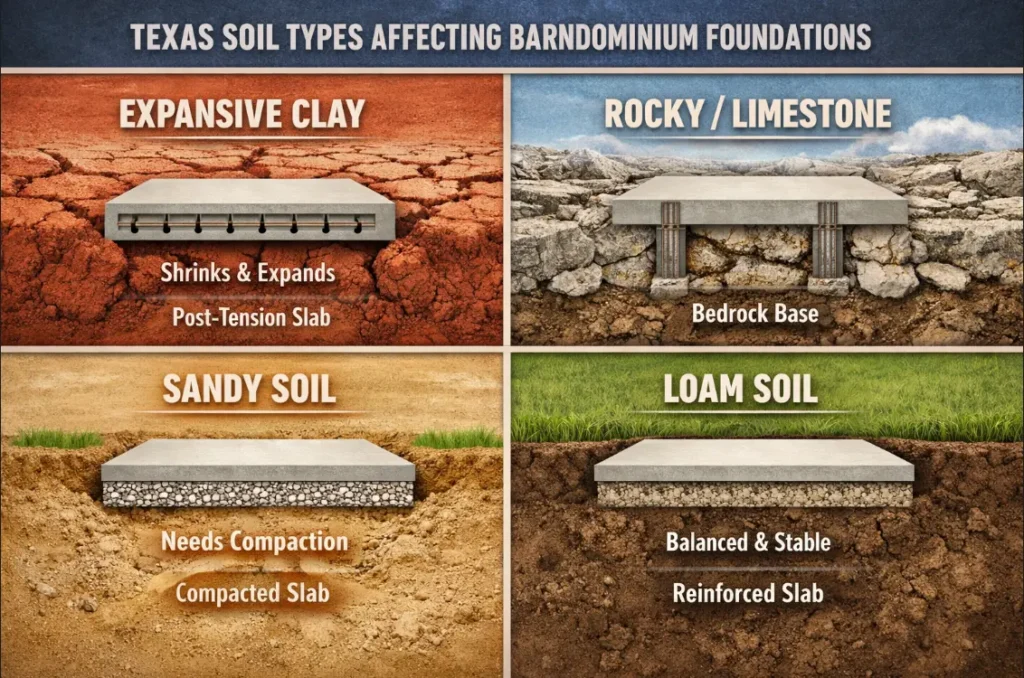
The Four Major Soil Types Found Across Texas
1. Expansive Clay Soil
Clay is the most problematic soil type for foundations in Texas, particularly in North Texas and Central Texas.
Cities like Dallas, Fort Worth, and much of the surrounding region sit on highly expansive clay soils.
Key Characteristics
Clay soils:
- Expand significantly when wet
- Shrink and crack when dry
- Retain water for long periods
- Create seasonal ground movement
These expansion cycles can cause foundations to shift several inches over time if they are not designed correctly.
Foundation Solutions for Clay
Experienced engineers typically recommend:
- Post-tension slab foundations
- Deepened grade beams
- Pier and beam systems
- Soil moisture control around the home
Post-tension slabs are common for barndominiums because the tensioned cables reinforce the concrete, allowing the foundation to resist soil movement.
For projects handled by a barndominium contractor in Texas, the foundation design will typically be engineered after soil testing to ensure the slab can handle seasonal movement.
Real Example
In North Texas builds, it is common to see:
- 12–18 inch deep grade beams
- Post-tension cables spaced throughout the slab
- Soil moisture barriers around the structure
Without these adjustments, expansive clay can crack traditional slabs in just a few years.
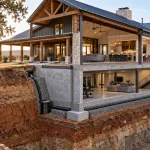
2. Limestone and Rocky Soil
Rocky soil is extremely common throughout Central Texas and the Hill Country, including areas around Austin and San Antonio.
While rock may seem ideal for building, it presents its own challenges.
Key Characteristics
Rock and limestone soils:
- Are extremely stable
- Have excellent load-bearing capacity
- Are difficult and expensive to excavate
- Often require specialized equipment
From a structural perspective, rock provides a very strong base for foundations.
However, the difficulty lies in site preparation and trenching.
Foundation Solutions for Rocky Soil
Typical solutions include:
- Conventional reinforced slab foundations
- Pier foundations drilled into bedrock
- Modified slab designs to account for uneven rock layers
In many Hill Country builds, crews must use rock saws, breakers, or blasting to prepare the foundation area.
Builders familiar with projects such as turnkey barndominiums in Austin TX frequently encounter limestone excavation as part of early site work.
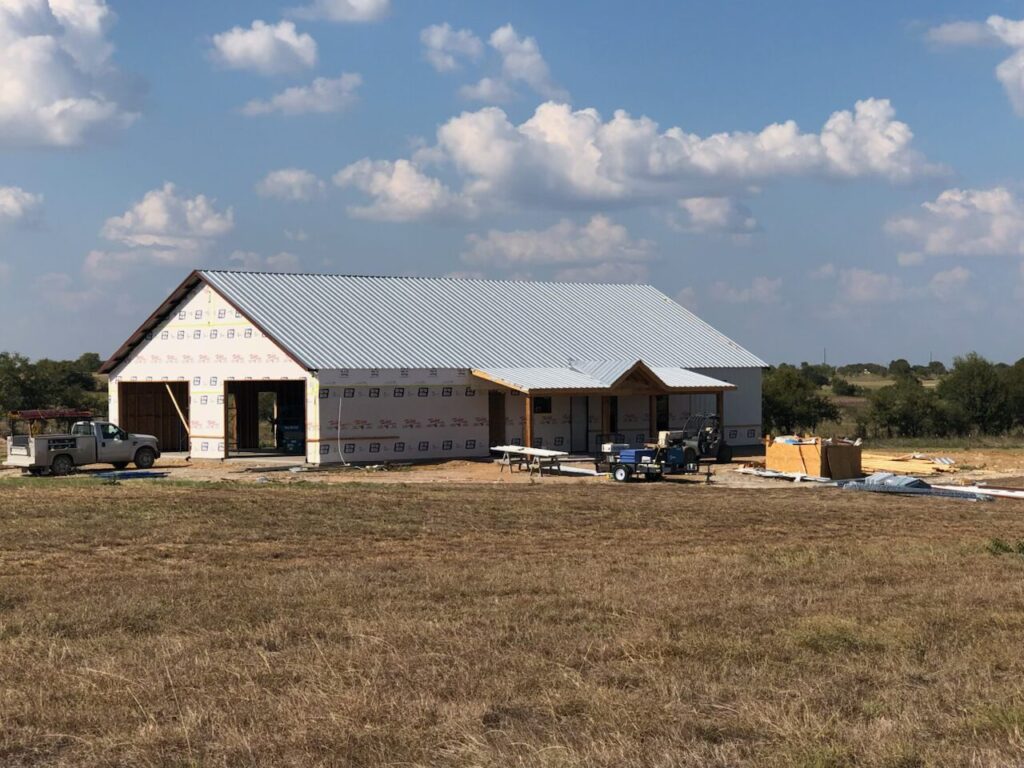
3. Sandy Soil
Sandy soils are commonly found in East Texas and parts of South Texas.
Compared to clay, sand drains well and does not expand significantly, which can make it easier for foundation stability.
Key Characteristics
Sandy soils:
- Drain water quickly
- Do not swell like clay
- Can shift if not compacted properly
- May erode under heavy rain
Because sand does not bind tightly together, compaction becomes the key factor for building foundations.
Foundation Solutions for Sandy Soil
Builders often use:
- Compacted structural fill
- Reinforced concrete slabs
- Stabilized base layers
- Proper drainage design
Without proper compaction, sandy soils may allow foundations to settle unevenly over time.
In rural projects across East Texas, builders providing metal barndominium construction services typically spend extra time preparing the base layers before pouring the slab.
4. Loam Soil
Loam is often considered the ideal soil type for construction because it contains a balanced mixture of:
- Sand
- Silt
- Clay
While loam soils do exist in parts of Texas, they are less common than clay or rocky ground.
Key Characteristics
Loam soils:
- Provide excellent drainage
- Maintain structural stability
- Are easy to excavate
- Compact well for foundations
Foundation Solutions for Loam
Standard reinforced slabs are usually sufficient.
However, engineers still perform soil testing to confirm:
- Bearing capacity
- Moisture levels
- Compaction requirements
Even ideal soil conditions require proper engineering.
Need Help Finding The Right Land in Texas?
Regional Soil Differences Across Texas
Texas is large enough that soil conditions change dramatically depending on the region.
Here is a simplified overview:
North Texas
- Expansive clay dominates
- Post-tension slabs are common
- Significant seasonal soil movement
Central Texas / Hill Country
- Limestone bedrock
- Heavy excavation required
- Stable foundations once prepared
Many projects completed by barndominium builders in Central Texas involve drilling into limestone layers during site prep.
East Texas
- Sandy soils
- High rainfall
- Drainage and compaction are critical
West Texas
- Caliche and rocky soils
- Hard ground conditions
- Excellent load-bearing strength
Understanding these regional differences is part of what makes Texas different for barndominium builds compared to other states.
The Importance of Soil Testing Before Construction
Before designing a foundation, experienced builders perform geotechnical soil testing.
A soil test typically evaluates:
- Soil composition
- Moisture content
- Load-bearing capacity
- Expansion potential
- Compaction requirements
Engineers use this data to design the exact foundation specifications required for the site.
Skipping soil testing is one of the biggest mistakes new builders make.
Professional teams providing turnkey barndominium services in Texas always conduct soil evaluation before foundation engineering begins.
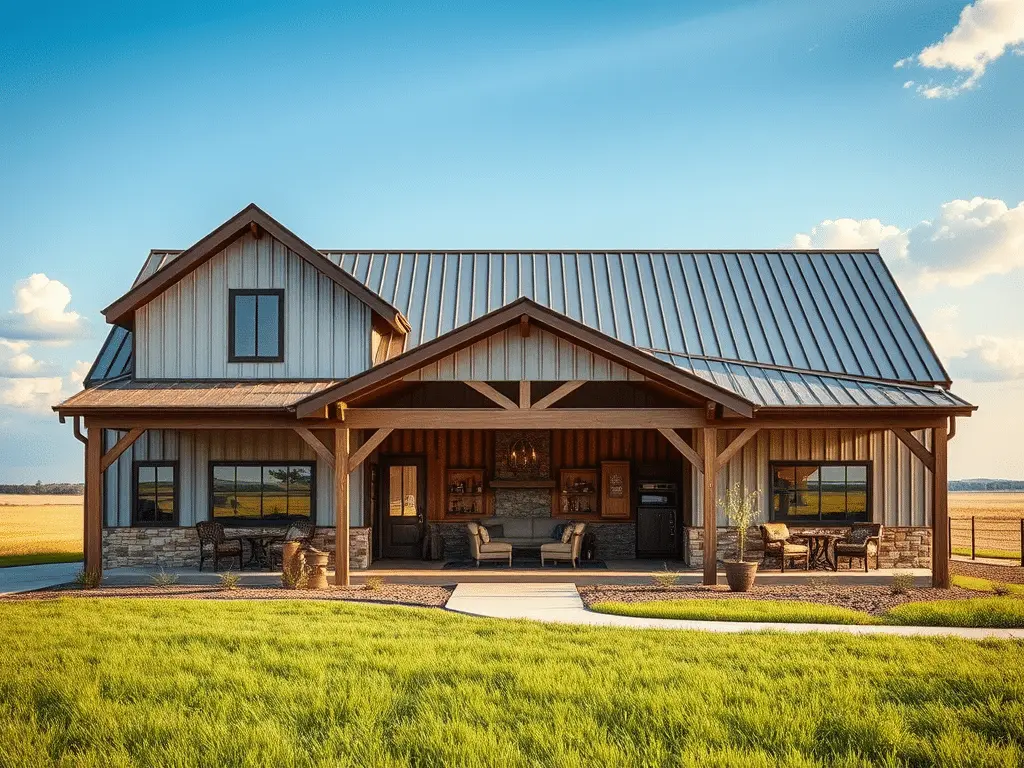
How Foundation Design Is Adjusted for Texas Soil
Foundation engineers modify several elements depending on soil conditions:
Slab Thickness
Expansive soils often require thicker slabs to resist movement.
Grade Beam Depth
Clay soils often require deeper grade beams around the perimeter.
Reinforcement
Steel reinforcement patterns change based on load distribution.
Drainage Planning
Poor drainage can worsen soil expansion or erosion.
Pier Systems
Some sites require drilled piers extending deep into stable soil layers.
All of these variables are designed specifically for the property, not just the building.
Soil Considerations When Choosing Land for a Barndominium
Soil conditions should be evaluated before purchasing land whenever possible.
The ideal process includes:
- Preliminary site evaluation
- Soil type review for the region
- Access for equipment and excavation
- Drainage patterns
- Slope and elevation
This step is often overlooked by first-time barndominium buyers.
Working with professionals who provide land selection and evaluation support can help identify potential soil challenges before construction even begins.
For buyers still researching land, understanding how to choose the right land for your barndominium can prevent major surprises during the build.
Want To Speak To an Expert Barndominium Builder in Texas?
Texas Regulations and Soil Considerations
In some counties and cities, soil conditions can also affect building approvals and engineering requirements.
Local jurisdictions may require:
- Soil reports for permits
- Engineered foundation plans
- Structural certification
This is especially common in areas located within or near city limits or ETJ jurisdictions.
If you are unfamiliar with these rules, learning what is an ETJ and understanding the differences between building a barndominium in Texas counties and cities can clarify where different regulations apply.
Final Thoughts: Soil Is the First Step in a Successful Barndominium Build
Every successful barndominium project begins with understanding the land it will sit on.
Texas soil conditions can vary dramatically – even between neighboring counties. Clay expansion, limestone excavation, sandy compaction, and drainage planning all play a role in foundation design.
The most reliable approach is always:
- Evaluate the land
- Conduct soil testing
- Engineer the foundation accordingly
When done properly, a barndominium foundation in Texas can remain stable for generations.
If you are planning a build and want guidance on soil conditions, foundation design, or early site planning, you can schedule a free consultation or talk with a Texas barndominium expert to evaluate your project before construction begins.
Frequently Asked Questions
How do I know what soil type is on my Texas property?
The most reliable way to determine soil type is through a geotechnical soil test. Engineers collect soil samples from the building site and analyze composition, moisture content, and expansion potential.
While regional soil maps can provide general guidance, actual conditions can vary even within the same county. Builders often perform soil testing early in the planning phase to ensure the foundation is engineered correctly for the site.
Is clay soil a problem for barndominiums in Texas?
Clay soil is very common across Texas, especially in North and Central regions. The main concern is that clay expands when wet and shrinks when dry, which can cause ground movement.
However, this does not prevent building a barndominium. Engineers simply design foundations specifically for expansive soil conditions, often using reinforced or post-tension slab systems that help the structure resist seasonal movement.
Do rocky soils make building a barndominium easier?
Rocky or limestone soils – common in the Texas Hill Country – usually provide excellent structural support for foundations. Once the site is prepared, these soils tend to remain stable.
The challenge is excavation. Preparing a building pad in rocky ground often requires specialized equipment, rock saws, or drilling. While this can increase site preparation costs, the resulting foundation base is typically very strong.
What foundation type is most common for Texas barndominiums?
Most barndominiums in Texas use reinforced slab foundations, often with post-tension cables when expansive clay soils are present.
The exact design depends on several factors like, soil type and expansion potential, building size and weight, local engineering requirements, drainage conditions.
Foundation systems are almost always engineered specifically for the property rather than using a one-size-fits-all approach.
Should soil conditions affect which land I buy for a barndominium?
Yes, soil conditions can influence both construction cost and foundation design. Some soils require more excavation, deeper beams, or specialized engineering.
However, most soil types in Texas can support barndominium construction when properly engineered. The key is evaluating the site early so potential challenges – such as expansive clay or heavy rock – can be accounted for during planning.