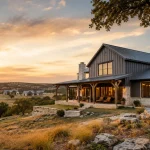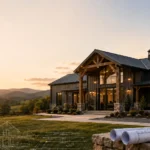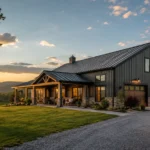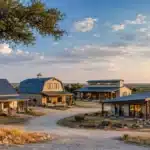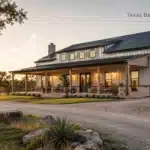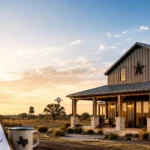
Building a barndominium in Texas is not the same as building one anywhere else in the country. Texas has its own land realities, weather extremes, county-level regulations, and construction expectations that directly affect how a barndominium should be designed, engineered, and built.
This guide is written from the perspective of a Texas-based builder who understands what actually matters on the ground – not just in theory, but in practice. If you’re comparing builders or researching whether a barndominium is right for your property, this article will answer the questions most buyers don’t even realise they should be asking yet.
Why Texas Is a Unique State for Barndominium Construction
Texas is one of the most barndominium-friendly states in the U.S., but that flexibility comes with complexity.
Unlike states with uniform building codes, Texas operates largely at the county and city level, meaning requirements can change dramatically from one location to the next – even within the same region.
Key Texas-specific factors include:
- No statewide residential building code
- County-controlled permitting in rural areas
- Extreme climate variation across regions
- High wind exposure and expansive soil conditions
- Large rural parcels with limited utilities
Understanding these factors is the difference between a barndominium that lasts decades and one that develops costly issues early on.
Find out about utilities in rural Texas and what to expect.
Texas Land: What Makes Site Selection So Different Here
Texas offers more available rural land than most states, which is one reason barndominiums are so popular. However, “cheap land” does not always mean “easy to build on.”
Soil Conditions Vary Widely Across Texas
Texas has some of the most challenging soil conditions in the country:
- Expansive clay soils – common in North Texas and Central Texas
- Sandy soils in parts of East and South Texas
- Rocky limestone areas, especially west of Austin
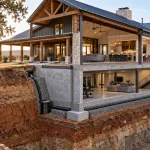
These conditions directly impact foundation design. A slab that works in one county may fail in another if it isn’t engineered correctly.
This is why experienced Texas builders emphasise proper geotechnical evaluation and foundation engineering – not cookie-cutter slabs.
Many clients rely on professional land selection and evaluation support to avoid costly surprises after purchase.
County-by-County Rules: Texas Does Not Build “One Way”
One of the biggest misconceptions buyers have is assuming Texas construction rules are consistent statewide. They aren’t.
Rural Counties vs City Limits
In rural Texas counties:
- Fewer inspections
- More flexibility in design
- Owner-builder allowances vary
Inside city limits (Austin, Dallas, surrounding municipalities):
- Full permitting and inspections
- Energy code compliance
- Zoning restrictions and HOA rules
For example, building a barndominium in Austin is very different from building in unincorporated Central Texas land, even if the properties are only miles apart.
A knowledgeable barndominium contractor Texas understands how to navigate both rural and urban jurisdictions without delays.
Want To Speak To a Real Barndominium Builder in Texas?
Texas Weather Demands Stronger Engineering
Texas weather is not forgiving, and barndominiums must be engineered accordingly.
Wind Loads and Structural Design
Large portions of Texas are classified as high-wind zones, particularly:
- North Texas
- Coastal and South Texas
- Open rural plains
Metal structures must be engineered for local wind loads, not generic national standards. This affects:
- Frame spacing
- Roof pitch
- Anchor systems
- Wall bracing
Heat, Insulation, and Energy Efficiency
Texas heat places heavy demands on building envelopes. Poor insulation or incorrect HVAC sizing leads to:
- High energy bills
- Moisture issues
- Reduced indoor comfort
This is where purpose-built metal barndominium construction company’s experience matters – metal buildings behave differently than traditional wood-framed homes in Texas heat.
Barndominium Design in Texas Is Not One-Size-Fits-All
Texas buyers expect more from their barndominiums than buyers in most states.
Texas Lifestyle Drives Layout Choices
Common Texas-specific design considerations include:
- Large covered porches
- Outdoor kitchens
- Mudrooms for ranch or acreage living
- Workshop or garage integration
- RV bays or equipment storage
Because barndominiums often combine living and working spaces, thoughtful layout planning is critical. This is why many owners start with custom barndominium floor plans rather than pre-set plans.
Learn more with out guide on what is a barndominium.
Financing a Barndominium in Texas Is Different Than a Traditional Home
Barndominiums don’t fit neatly into standard mortgage boxes.
Texas lenders typically look at:
- Builder experience and licensing
- Engineering documentation
- Appraisal methodology
- Turnkey vs shell construction
Many banks are hesitant to finance shell-only projects without a licensed builder overseeing completion. Turnkey construction simplifies financing approval and reduces lender risk.
Most serious buyers benefit from early financing guidance for barndominium builds before finalising land or design decisions.
Why Turnkey Construction Matters More in Texas Than Other States
Because Texas projects involve:
- County-level approvals
- Engineering for soil and wind
- Utility coordination on rural land
- Financing complexity
A fragmented build approach often leads to delays, cost overruns, or code issues.
A true turnkey barndominium builder in Texas manages design, engineering, permitting, construction, and coordination under one roof – which is especially valuable in a state as decentralised as Texas.
If you’re interested in the complete process, check our complete guide to building a barndominium in Texas. It has the entire process explained A-Z.
Planning a barndominium in Texas?
Regional Differences Within Texas You Need to Understand
Texas is not a single market. Each region brings unique challenges.
East Texas
- Heavier rainfall
- Dense clay soils
- More timber and wooded lots
North Texas
- Expansive soils
- High wind exposure
- Growing suburban regulation
Central Texas
- Limestone and rocky terrain
- Flash flood zones
- Mixed rural and urban rules
South Texas
- Heat and humidity
- Coastal wind considerations
- Larger ranch properties
Builders familiar with projects across East Texas, North Texas, Central Texas, and South Texas are better equipped to anticipate regional issues before they become problems.
Looking for land in Texas? Find out what is an ETJ in Texas.
Experience Matters More in Texas Barndominium Construction
Texas rewards builders who understand:
- Local permitting nuances
- Engineering beyond minimum code
- Rural infrastructure challenges
- Long-term performance in Texas climates
Out-of-state builders or inexperienced contractors often underestimate these factors – and homeowners pay the price later.
Seasoned barndominium builders in Texas brings real-world problem-solving, not just plans on paper.
Final Thoughts: Building a Barndominium in Texas Requires Texas-Specific Expertise
Texas is one of the best states in the country for building a barndominium – if it’s done correctly.
The freedom, land availability, and design flexibility are unmatched. But those benefits only materialise when the project is engineered, permitted, and constructed with Texas realities in mind.
If you’re serious about building in Texas, the smartest first step is getting guidance from professionals who build here every day.
You don’t need sales pressure – you need clarity, experience, and honest answers.
That’s how successful Texas barndominium projects actually begin.
Frequently Asked Questions
1. Do barndominiums have to meet building codes in Texas?
Yes, but enforcement depends on where you build. Texas does not have a single statewide residential building code. Instead, building codes are enforced at the county or city level. Rural counties may have minimal requirements, while cities and suburban areas often enforce IRC, energy codes, wind-load standards, and inspections. Even when codes are limited, lenders and insurers usually still require engineered plans and inspections.
2. Is a barndominium cheaper to build in Texas than a traditional home?
It can be, but not always. In Texas, cost depends heavily on land conditions, foundation requirements, wind engineering, and finish level. Barndominiums often save money on framing and construction speed, but costs can rise with custom layouts, large spans, premium insulation, or high-end interiors. The biggest cost mistakes come from underestimating site work and foundation engineering.
3. Can I build a barndominium anywhere in Texas?
Not automatically. Zoning laws, deed restrictions, and HOAs can limit or prohibit barndominiums in certain areas – especially inside city limits or master-planned communities. Rural land typically offers more flexibility, but buyers should always verify county rules, subdivision restrictions, and utility access before purchasing land.
4. Are barndominiums safe in Texas storms and high winds?
Yes – if they are properly engineered for Texas conditions. Barndominiums must be designed for local wind speeds, uplift forces, and soil movement. When engineered correctly, steel-framed barndominiums can perform extremely well in high-wind environments. Problems usually arise when structures are built using generic plans not designed for Texas wind zones.
5. Is it harder to get financing for a barndominium in Texas?
Financing is possible, but it’s different from a standard home loan. Many Texas lenders require a licensed, experienced builder, stamped engineering plans, and a turnkey construction approach. Shell-only or owner-built projects are harder to finance. Buyers who involve lenders early and work with builders familiar with Texas barndominium financing tend to have far fewer delays.